


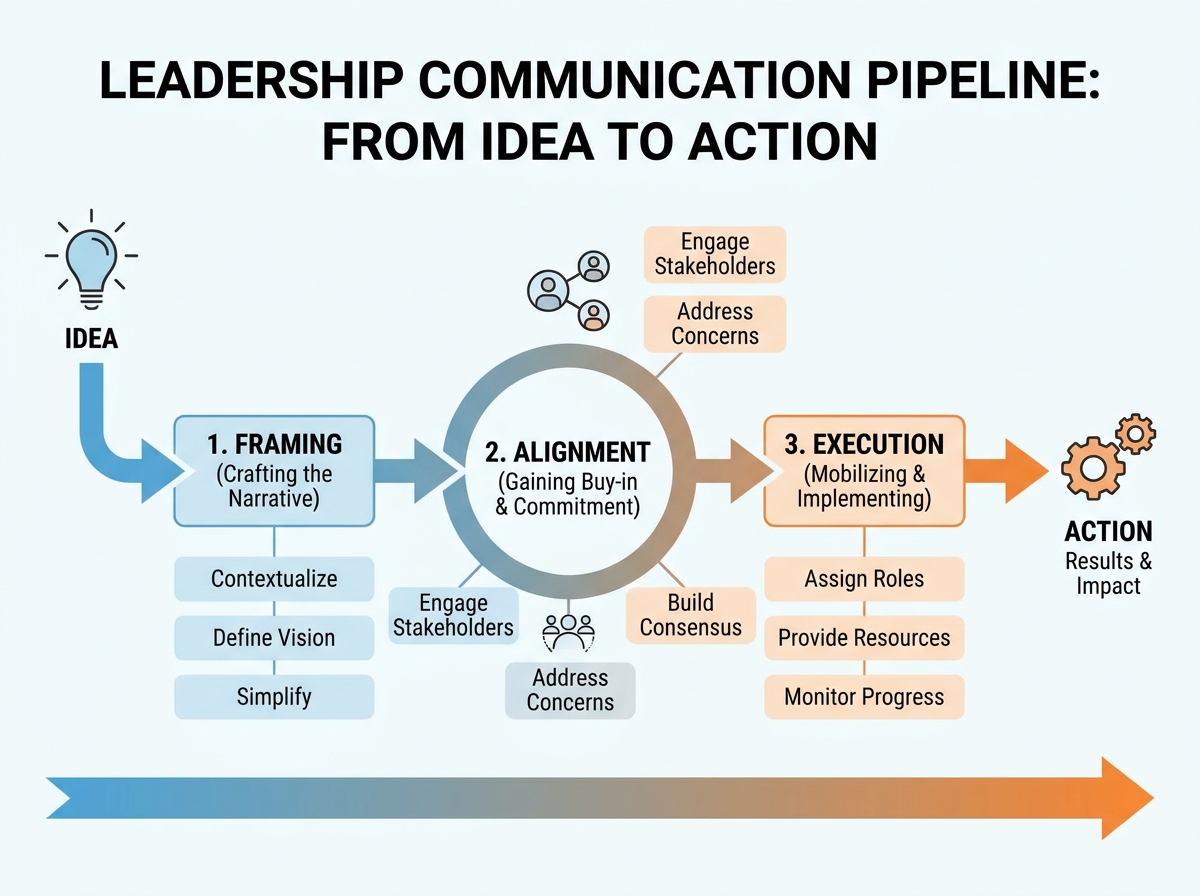
The opening sentence hits directly: if you’re looking to learn entrepreneurial communication, you can learn to blend audacity with clarity by watching how top founders frame ideas under pressure. I didn’t set out to copy anyone, but I did set out to understand what happens when big visions collide with real-world constraints, and how spoken and written words become instruments of action.
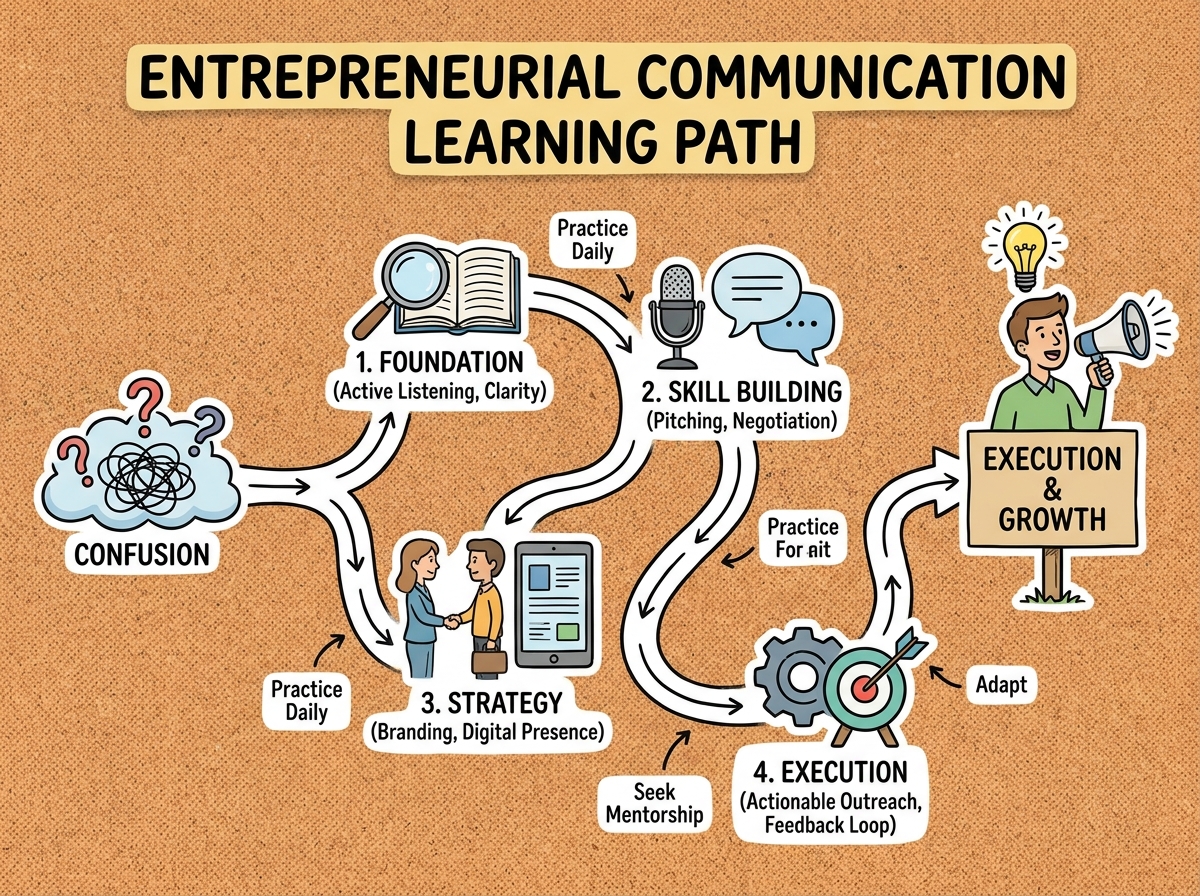
The journey begins with confusion. I believed that great ideas alone could move markets, but I soon learned that the real power lies in the way you articulate those ideas to others—whether you’re pitching a new product, aligning a team, or negotiating a critical partnership. This article is a memoir of that learning curve, not a recap of a course, and it’s written from someone who started with a vague sense of possibility and ended with a sharper sense of how influence actually works in practice.
Micro-Scan:
- You need to learn how high-stakes messaging changes outcomes, not just ideas.
- Clarity, brevity, and a clear call to action turn talk into momentum.
- Authenticity and timing often matter more than novelty.
Definition: How I define entrepreneurial communication: the craft of turning bold vision into concrete actions through precise, credible, and timely messaging. It’s not just what you say, but how you say it, to whom, and when. Sub-types include persuasive email framing, stakeholder-oriented proposals, and team-alignment narratives.
Sharp Insights:
- The biggest impact comes from messages that invite collaboration, not just persuasion.
- Framing a problem before proposing a solution changes how others react.
- Timing a message to the recipient’s context is as important as the content.
| Timeline | Stage | Content | Time |
|---|---|---|---|
| Start of exploration | I question assumptions and seek real-world context | 1–2 weeks | |
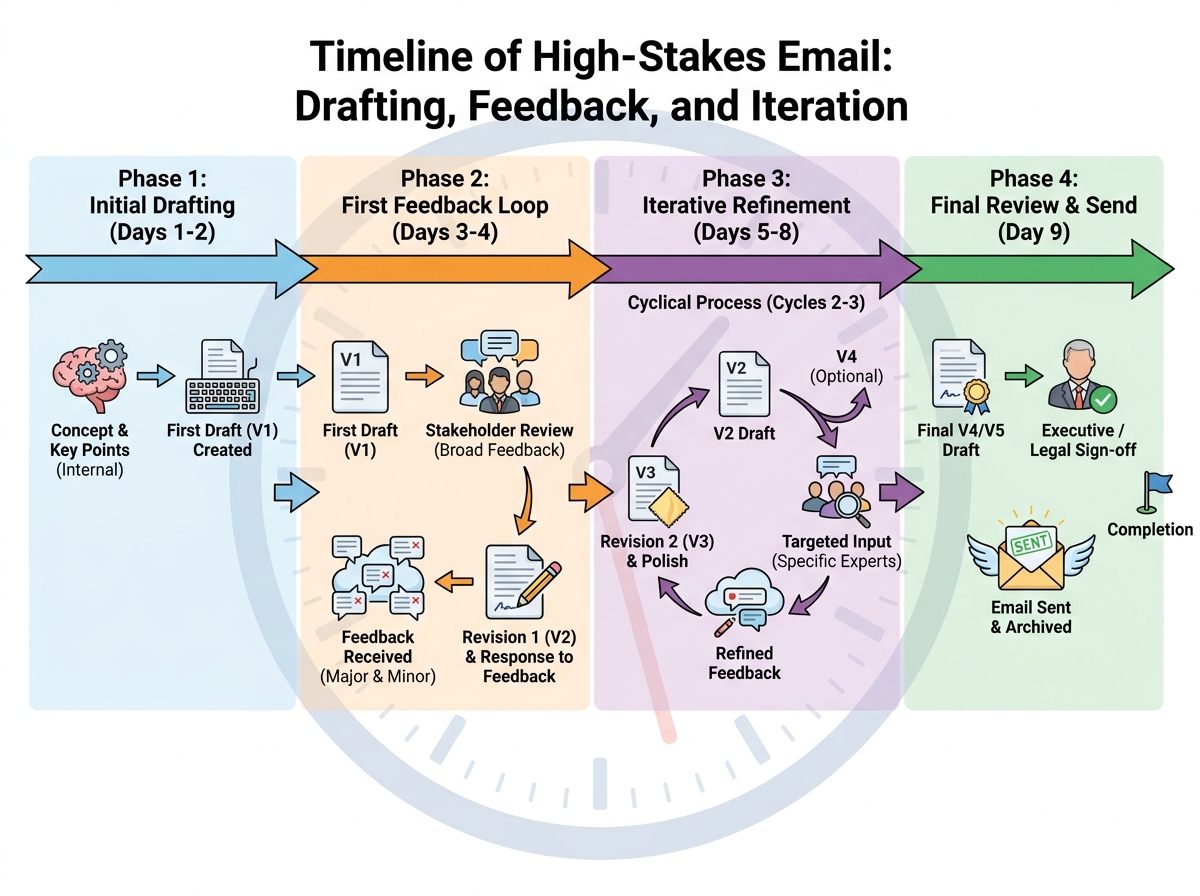
| First real writing test | I draft a concise email that triggers action | 1–2 days | |
| The breakthrough | I learn to pair audacious goals with practical steps | 1–3 weeks | |
| Integration into leadership | I apply this to team culture and decision-making | ongoing | |
| Total | I learn to think and write like a high-impact founder | 2–3 months |
Order matters more than speed. It’s normal to be slower than the estimate when you’re learning to think in a new framework.
Main Body
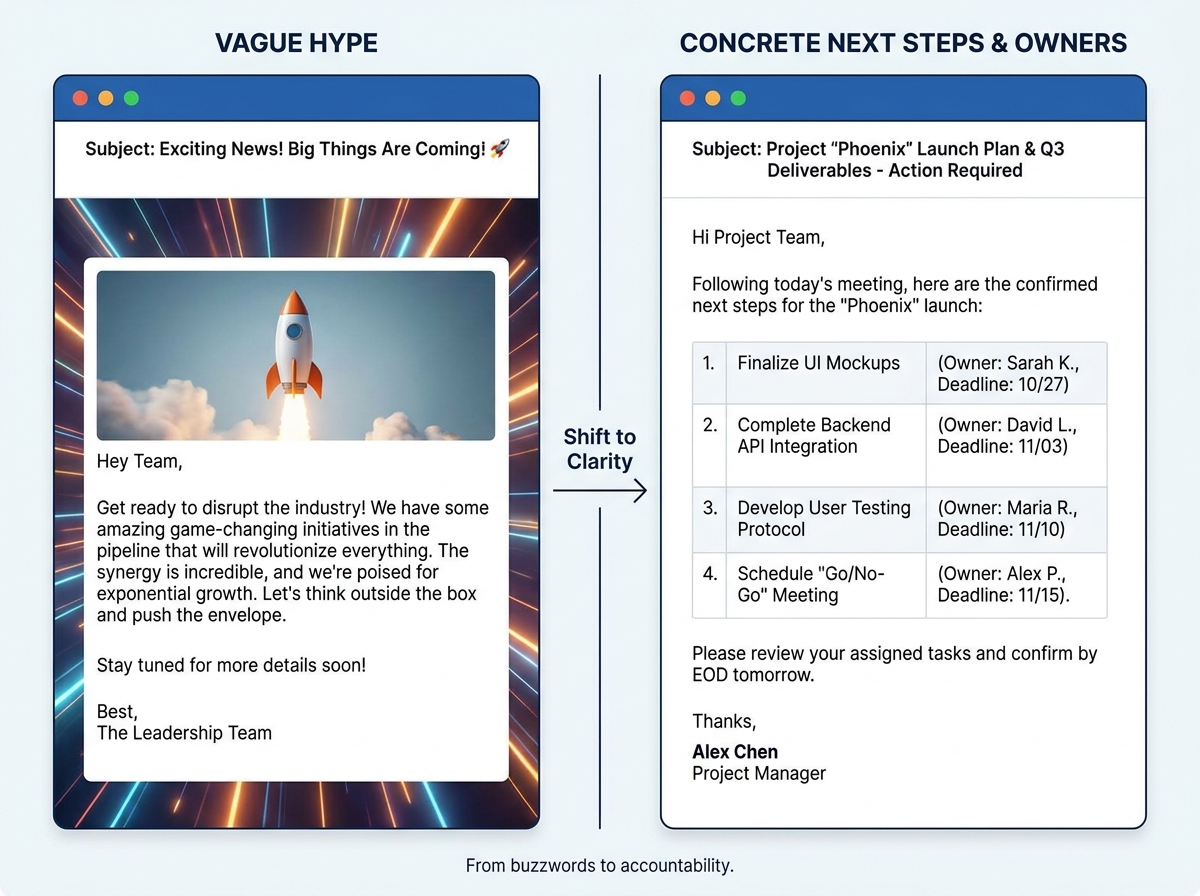
- I remember the moment I realized a bold idea lands differently when you name a concrete next step. The realization came when I rewrote a pitch as a sequence of commitments, each with a date and owner. This wasn’t about clever phrasing; it was about accountability and trust, and that shift changed how people showed up to help.
- The hardest wall was resisting the urge to flood audiences with hype. Instead, I learned to calibrate the emotional energy of the message to the recipient’s stakes, not mine. The friction was learning to pause and tailor the message to different desks in the org—engineering, marketing, governance—without losing the core vision.
- A pivotal moment was discovering that authenticity is a force multiplier. When I spoke from genuine constraint and shared uncertainties honestly, the response wasn’t defensiveness but curiosity and collaboration. A single sentence in a long email became a bridge, not a barrier.
- The practical turns came when I treated emails like micro-projects: a purpose, a context, a decision, and a follow-up. The big idea remained, but execution depended on scoping and cadence. The lesson: clarity creates alignment; alignment creates momentum.
- In the end, leadership wasn’t about heroic declarations; it was about sustaining a narrative that others could join and act on. Every conversation became a chance to invite participation, not a performance to impress.
Closing I didn’t become a copywriter of a genius’s style, but I did learn to translate ambition into shared action. Here are immediate steps you can apply today:
- Draft a one-sentence objective for your next message, then add two concrete commitments.
- Name one risk you’re accepting and one mitigation you’ll implement within the same note.
- Address the recipient’s context in the first three lines, not after a paragraph of hype.
- Use a specific, observable metric to measure success of your request.
- End with a clear call to action and a designated owner.
- Keep sentences short and concrete; fight the urge to layer abstractions.
- Test your message with a teammate who will push back on assumptions.
- Schedule a 10-minute review window before sending high-stakes communication.
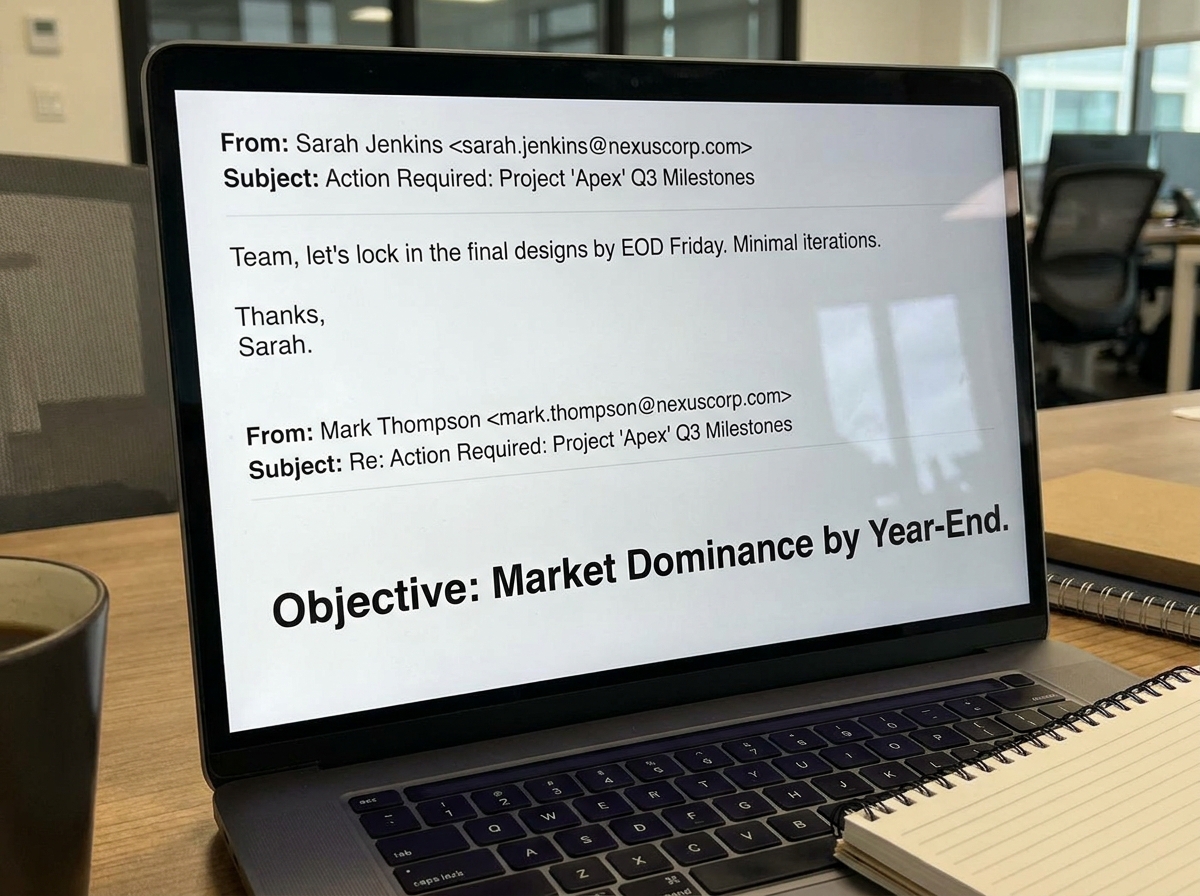
Image notes: 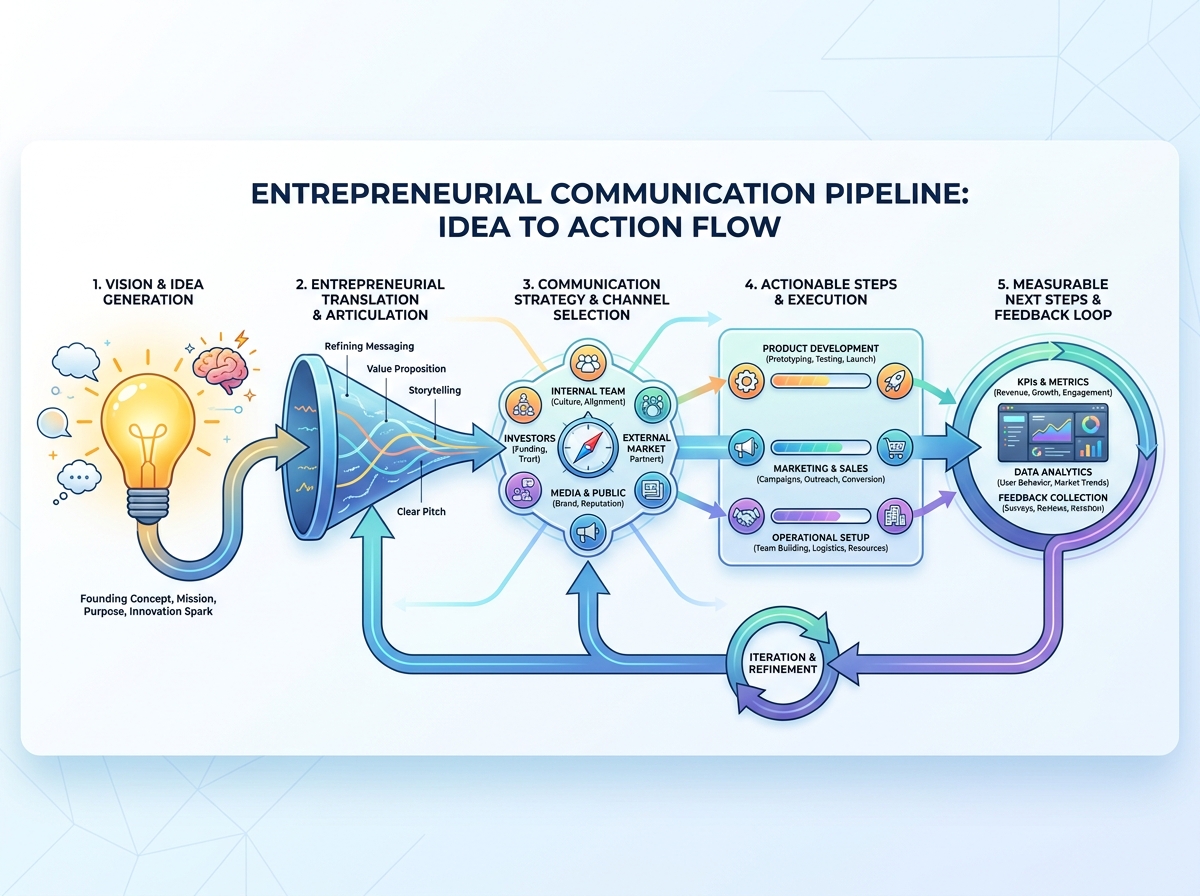
Leave a Reply