


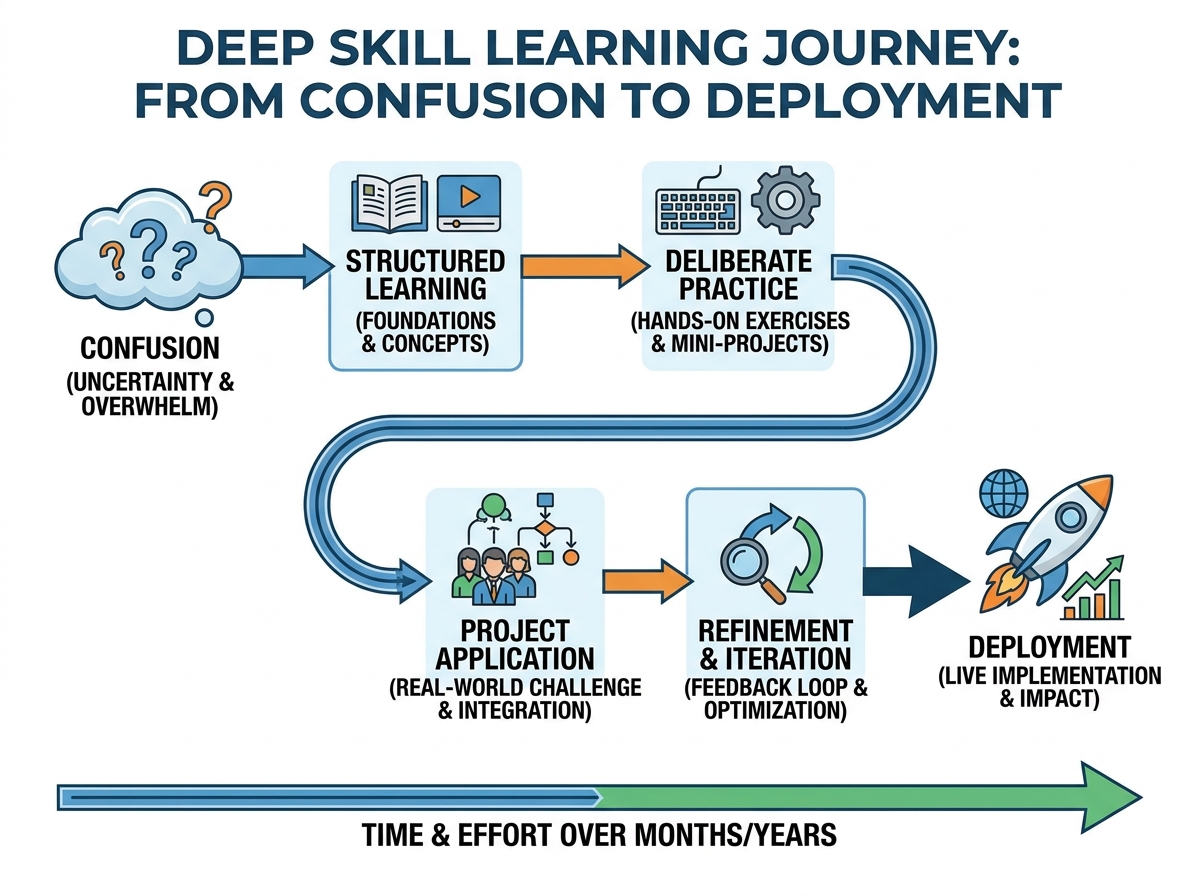
Opening: I started with a river of questions and no clear map, feeling every inch of resistance as I reached for a skill that mattered more than I understood at first. If you’re looking to learn a skill deeply, this is how the real path unfolded for me, not the glossy brochure of a course.
Direct Answer: If you’re looking to learn a skill deeply, the fastest way forward is to align your learning with a living project you care about, expose yourself to failures early, and iterate relentlessly on small, tangible outcomes. Mastery isn’t a sprint; it’s a stubborn sequence of tiny wins that compound into confidence.
- You don’t need perfect theory before you start; you need a concrete task to drive practice.
- Early mistakes are the most informative, not the most embarrassing.
- The moments you unlock a small, repeatable result are the real milestones.
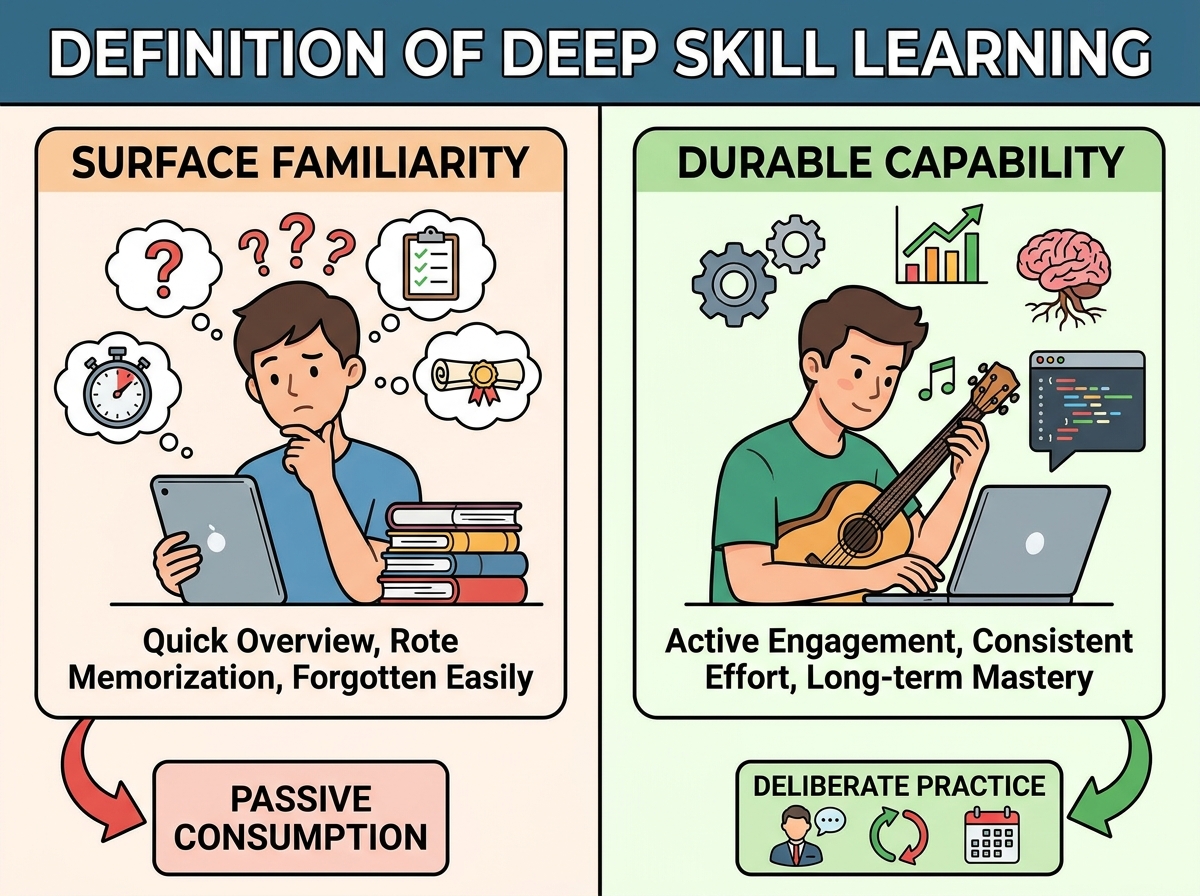
DEFINITION SECTION: The Definition Prompt – Define what “learning deeply” means for someone who starts with a stubborn, real-world goal. Deep learning of a skill means moving from surface familiarity to a reliable, repeatable capability that you can deploy under real conditions. Sub-types include: deliberate practice loops, project-backed learning, and feedback-driven refinement.
SHARP INSIGHTS:
- The biggest resistance is avoiding failure at the cost of progress.
- Real progress hides in tiny, repeatable outcomes you can actually measure.
- Your learning becomes durable when it’s tethered to a real outcome someone cares about.
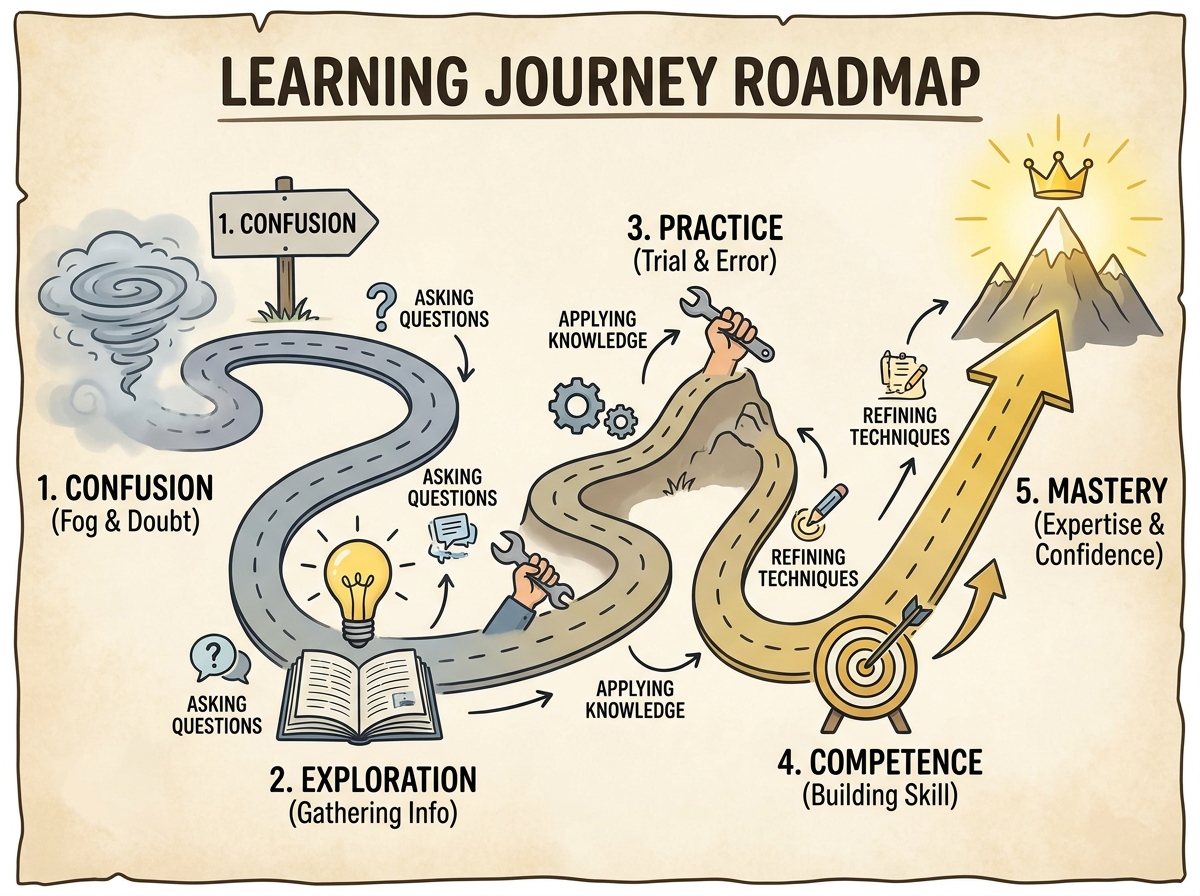
| TIMELINE SECTION | Stage | Content | Time |
|---|---|---|---|
| Start | Friction and uncertainty as I pick a real project | 1–2 weeks | |
| Early Practice | First tangible result, a small but visible win | 2–4 weeks | |
| Friction Peak | The moment I realize I don’t know how to do X but can try Y | 1–2 months | |
| Breakthrough | I deploy a working piece in a real scenario | 2–3 months | |
| Mastery Layer | I refine, document, teach, and scale the approach | 3–6 months | |
| Total | 6–12 months |
Order matters more than speed, and it’s normal to move slower than estimates when you’re building durable competence.
MAIN BODY:
I. A Real Beginning, Not a Blueprint I began with a concrete goal that mattered: delivering a working result for a real person in a real setting. The first friction I hit was the paradox of knowing a little about many things versus being able to finish something that matters. My biggest mistake was chasing perfect theory instead of testing a rough, functional draft. The click came when I shipped a small version that someone could actually use, even if it wasn’t polished. The takeaway: start with a tangible output you can explain in one minute, and you’ll uncover the gaps faster than any syllabus.
II. The First Real Milestone: A Visible Result The moment I finally produced a result that worked in the wild was more about constraints than brilliance. I learned to scope the problem tightly, to resist feature creep, and to measure what actually mattered. The error I kept repeating was assuming more features equal better outcomes. The breakthrough happened when I trimmed the scope to the essentials and saw the effect on real users. Takeaway: define success by a single, measurable outcome and let that steer every iteration.
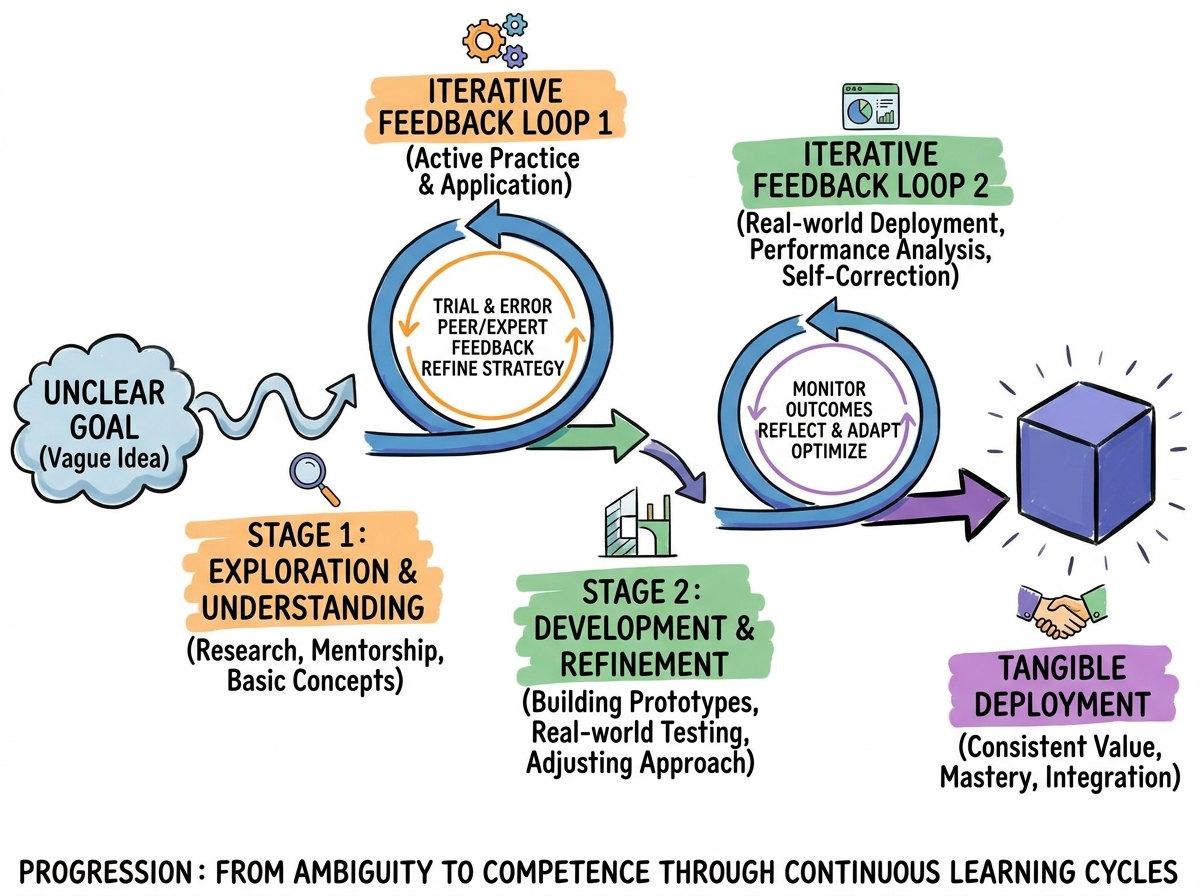
III. Facing the Fog: When It All Feels Hard The hardest phase looked like stagnation: long nights, ambiguous feedback, and a lingering itch that I was missing something obvious. The single biggest mistake people make here is pretending the struggle doesn’t exist. I embraced the confusion, started journaling failures, and built a tiny feedback loop around the moment I could answer three concrete questions about my progress. The result was a clearer path forward and a renewed willingness to try imperfect approaches. Takeaway: the fog lifts when you quantify what you can test tomorrow.
IV. Real-World Application: The Burn of Deployment Deploying something into a real environment forced humility and accountability. It exposed gaps I’d glossed over during practice, but it also validated what I’d learned in a context that mattered. The turning point was documenting every decision so teammates could critique the process, not just the outcome. Takeaway: teaching what you’ve just learned accelerates your own mastery and widens your support network.
V. The Long Arc: From Skill to Habit As the project matured, the practice became a habit and the habit became a standard way of working. The common pitfall—relying on memory instead of process—became apparent, and I rewired by codifying repeatable routines. The moment I stopped treating learning as a race and started treating it as a system is when the real, lasting transformation happened. Takeaway: convert your best patterns into repeatable rituals you can maintain under pressure.
CLOSING: I’m not chasing the latest hack anymore; I’m chasing a stable capability you can rely on when it matters. Six to eight concrete actions you can apply right now:
- Bold Action: Prioritize a single real-world outcome and map every practice effort to that outcome. This keeps noise out and focus in.
- Specific Experiment: Run a 48-hour pilot with a willing user, and document the result in one page.
- Real Feedback: Seek critique from someone who would actually use your work, not a theorist.
- Quick Prototypes: Build rough versions first; polish later, only as needed to test a hypothesis.
- Document Decisions: Write one-page rationale for each major choice to reveal your thinking clearly.
- Reflect with Data: Capture a minimal set of metrics that prove progress, not vanity metrics.
- Teach a Peer: Explain your approach to a non-expert; their questions expose gaps you’ll otherwise miss.
- Schedule a Review: Lock a recurring, brief review to prevent drift and keep momentum.
IMAGE TAGS:

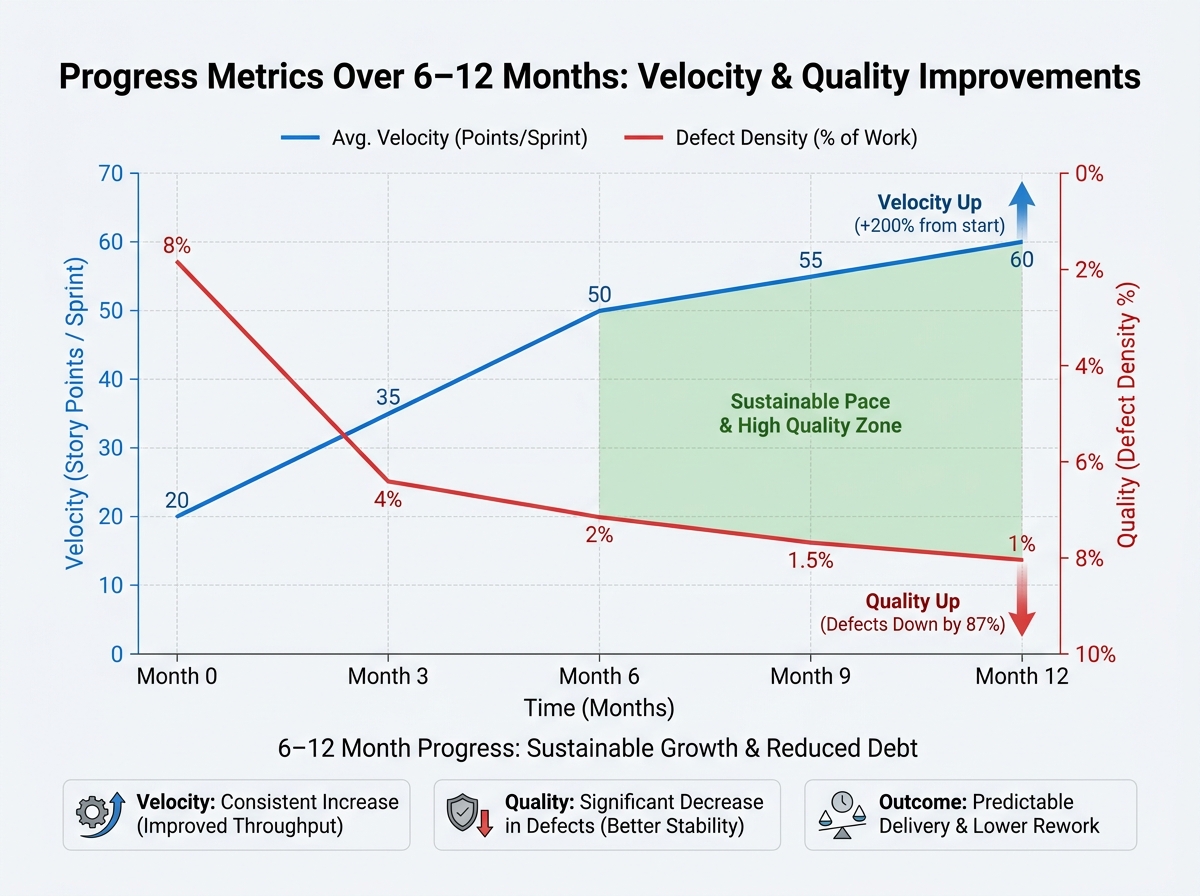
KEYWORD PLACEMENT CHECKLIST Primary keyword appears in title and direct answer, and at least one subheading, with longtail variants in 2–3 subheads and 1–2 body paragraphs. Image tags accompany critical concepts. All content attributes reference the core topic clearly. The article remains a lived, personal journey rather than a course outline.
Leave a Reply