


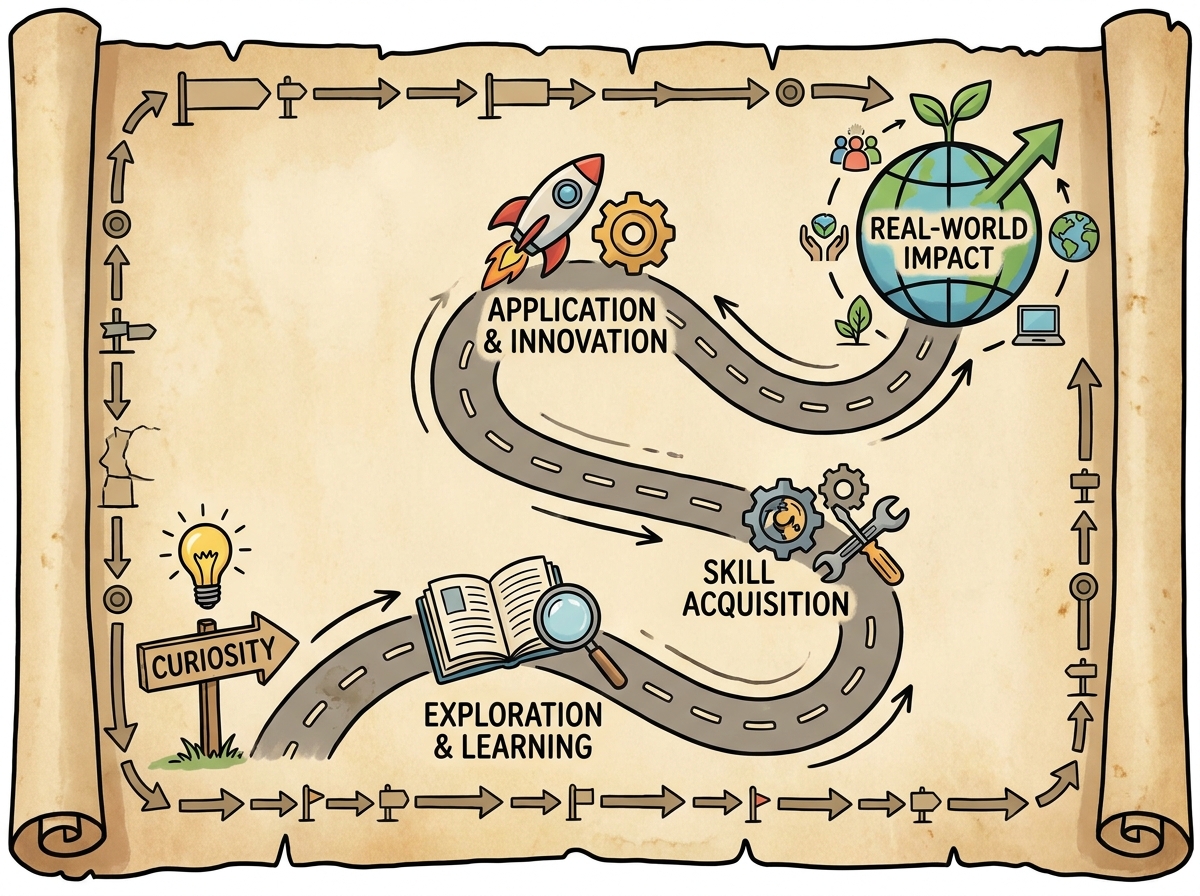
Opening: I started with a blank page and a stubborn belief that learning is a straight line. The truth I learned is messier: it curls around your doubts, then pulls you toward something real. If you’re looking to learn a skill deeply, this is the story of how I turned vague curiosity into tangible capability, not a checklist of steps.
Direct Answer: If you’re looking to learn a skill deeply, the most effective path is to couple deliberate practice with real-world application, scaffolded by honest feedback and a lived-by-measuring mindset. In other words, you learn by doing, failing, analyzing why you failed, and reapplying what actually matters rather than chasing glossy frameworks.
- Friction matters more than formula: the moments you stumble reveal your actual gaps, not your supposed gaps.
- Real-world use beats theoretical polish: a rough draft that solves a real problem lands harder than a perfect essay that never ships.
- Feedback is currency: timely critique from one trusted person accelerates growth far more than endless self-review.
Definition: The core concept is “deep skill learning” defined as the persistent, iterative practice of a capability through meaningful work, feedback, and measurable progress. Sub-types include iterative practice loops, real-world project integration, and structured feedback cycles. Deep skill learning contrasts with passive reading or shallow tutorials that never demand a concrete outcome.
Sharp Insights:
- The biggest barrier is assuming more theory equals faster progress.
- Ship early, then refine based on actual usage.
- Tiny daily improvements beat dramatic but infrequent bursts.
| Timeline: | Stage | Content | Time |
|---|---|---|---|
| Day 0–1 | Define a concrete, real problem to solve | 1 day | |
| Weeks 1–2 | Build a minimal viable artifact | 2 weeks | |
| Weeks 3–6 | Collect feedback and iterate | 4 weeks | |
| Months 2–3 | Integrate into real-world workflow | 2–3 months | |
| Total | – | ~3 months |
Order matters more than speed; progress accumulates when you ship. It’s normal to be slower than you hoped at first.
Main Body: I’ll walk you through stages that mirror a real learning arc, not a syllabus. Each stage is a memory I still carry with me, a mistake I’ve learned to avoid, and a moment when everything clicked.
-
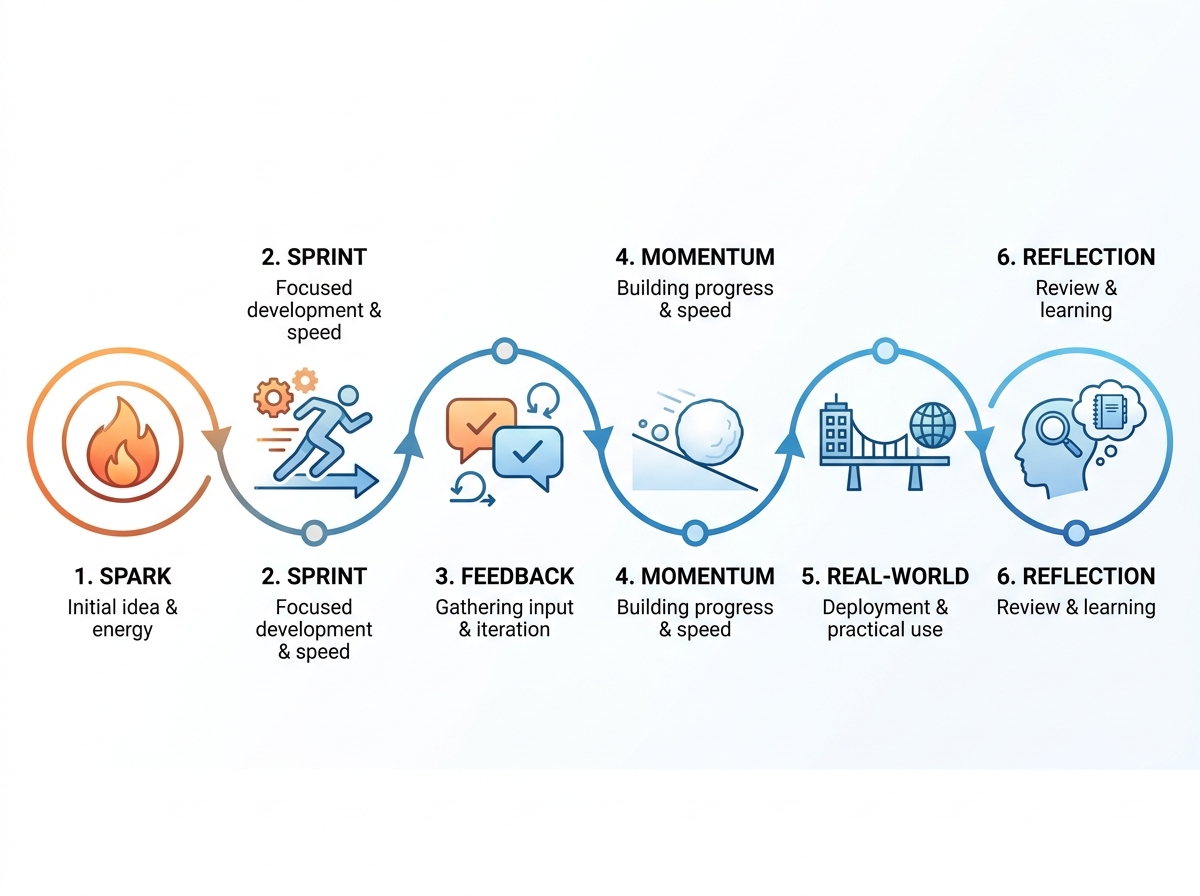
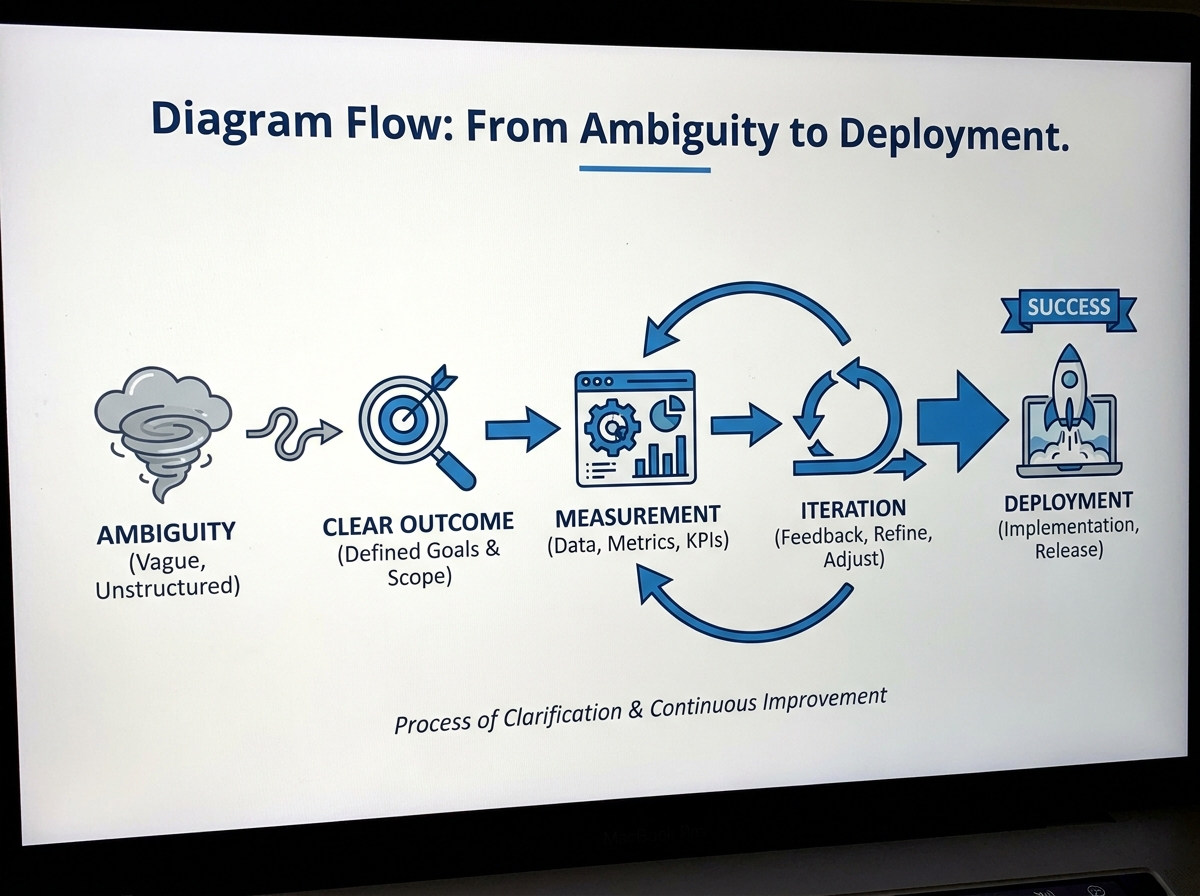
The spark that isn’t a plan: I remember buying the first notebook and feeling how wide the horizon looked. The friction was ambiguity: I couldn’t name the exact outcome I cared about. The realization came when I forced myself to articulate a single, verifiable result—one thing I could ship. The detail that sticks is watching the page fill with actual practice, not abstract notes. The takeaway: clarity about the first output beats endless curiosity.
-
The first sprint and its shadow: I attempted a tiny project and hit a wall the moment I tried to connect theory to practice. The common mistake is over-emphasizing a flawless blueprint rather than a workable prototype. The click happened when I abandoned perfect planning and started experimenting with a rough version that solved a real user need. The detail: a crude prototype that worked in a real setting taught me more than any mentor’s lecture. The takeaway: early shipping compounds learning faster than polished non-delivery.
-
Feedback as fuel: I invited a single trusted skeptic to critique my draft. It stung, but I learned to separate emotion from data and to map feedback to observable outcomes. The biggest mistake people make here is treating critique as personal threat rather than information. The moment of clarity arrived when I revised not just the surface but the underlying approach, aligning it with a measurable outcome. The takeaway: feedback transforms theory into practice, not just into nicer notes.
-
The momentum shift: I realized that the value wasn’t in mastering every facet at once but in integrating one practical capability into a real workflow. The friction point was guilt for not knowing everything. The realization: progress comes from meaningfully combining a few core skills with a real task. The detail: I redesigned my process to embed this skill into daily work, not as a separate project. The takeaway: integration, not isolation, sustains growth.
-
Real-world application: I shipped a tangible artifact that someone paid for or relied on. The stumbling block was fear of failure in public; the payoff was learning to stand behind a real produce-and-sell moment. The biggest mistake people make here is assuming the final product must be flawless. The moment I accepted imperfect delivery and iterated on it with real users, the skill clicked into place. The takeaway: tangible output cements capability more than any theoretical mastery.
-
Reflection and recalibration: Looking back, I see the arc from confusion to credible output. The friction point was consistency across time zones of life—work, family, energy. The realization was that discipline is a byproduct of meaningful, repeatable outcomes. The detail: I kept a minimal log of outcomes, not hours. The takeaway: you can’t fake consistency; you prove it with what you ship and adjust.
Closing: I don’t pretend this was a straight ascent. The journey was messy, earnest, and stubbornly practical. The core is simple: pick a real problem, ship a real artifact, learn from honest feedback, and repeat until your work starts answering real needs.
6–8 Actionable Tips:
- Bold action: Define a single measurable outcome you can ship this week. Why it matters: it anchors effort in real value.
- Bold action: Build a rough prototype first, not a perfect one. Why it matters: speed creates learning opportunities.
- Bold action: Schedule a weekly feedback session with one trusted critic. Why it matters: it converts critique into actionable change.
- Bold action: Integrate the skill into a current task you already do. Why it matters: real-world context accelerates retention.
- Bold action: Maintain a minimal outcomes log, not a time log. Why it matters: you measure progress by results, not effort.
- Bold action: Ship something tangible every 14 days. Why it matters: momentum compounds learning faster.
- Bold action: Reframe failure as data, not defeat. Why it matters: you unlock faster iteration.
- Bold action: Set a quarterly review to recalibrate the target outcome. Why it matters: alignment ensures relevance.
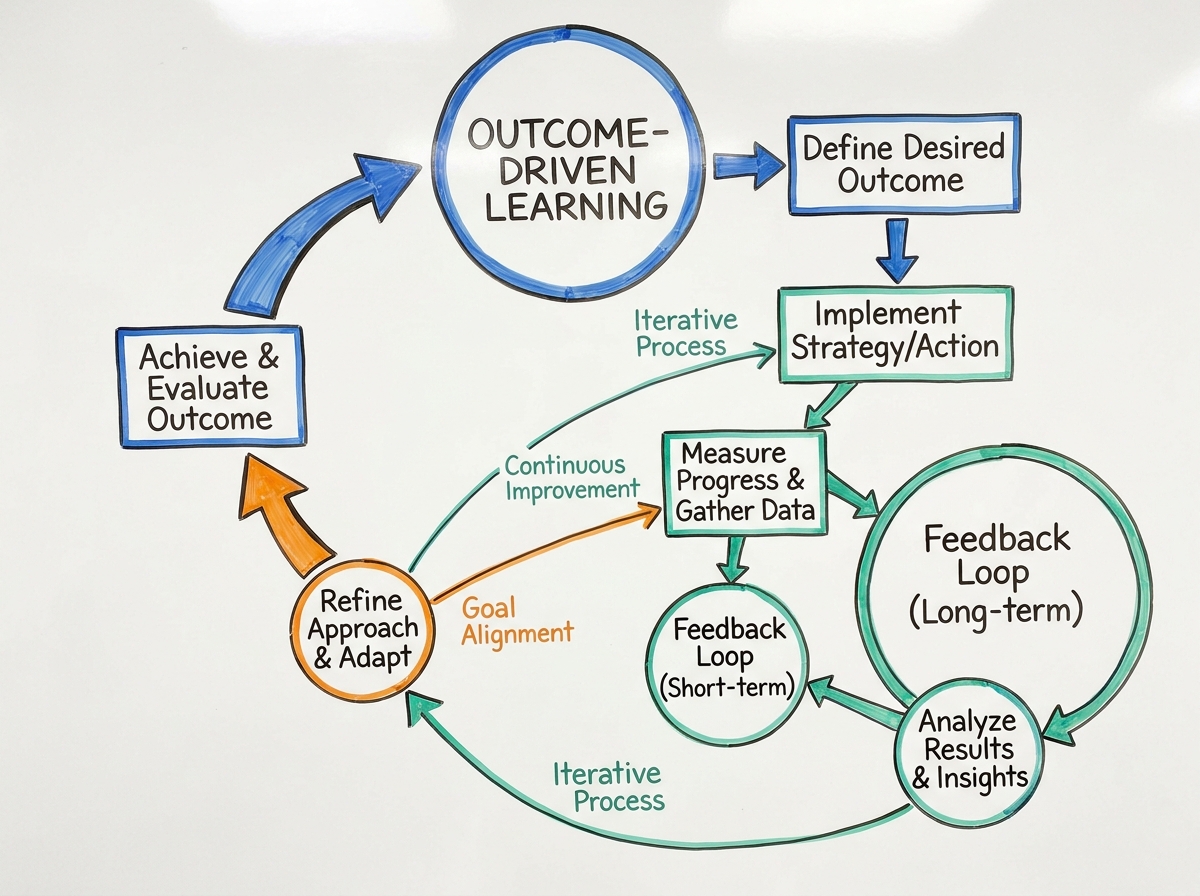
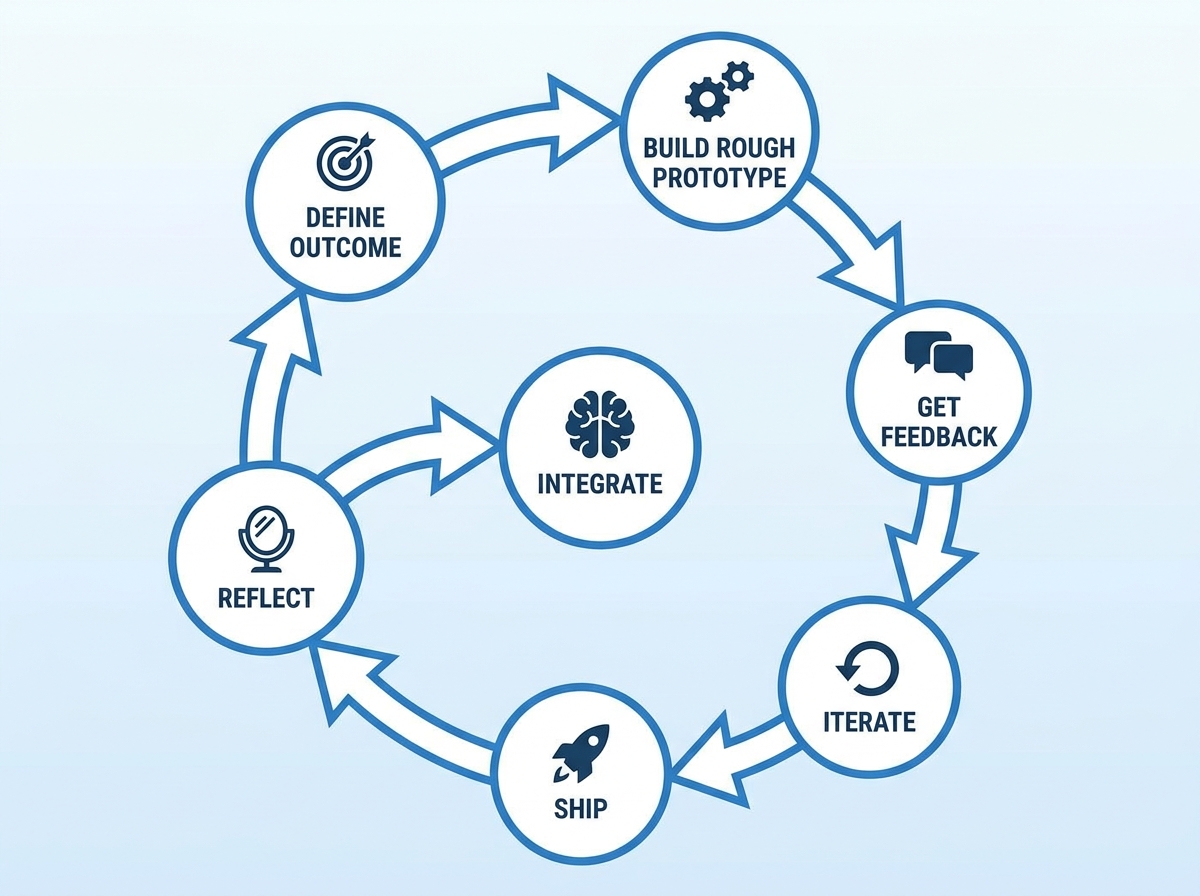 Build rough prototype -> Get feedback -> Iterate -> Ship -> Reflect -> Integrate” decoding=”async” loading=”lazy” srcset=”https://shcgrowth.com/wp-content/uploads/2026/04/549cee850b575739ef92b0cddd18bc17.jpg 1200w, https://shcgrowth.com/wp-content/uploads/2026/04/549cee850b575739ef92b0cddd18bc17-300×224.jpg 300w, https://shcgrowth.com/wp-content/uploads/2026/04/549cee850b575739ef92b0cddd18bc17-1024×765.jpg 1024w, https://shcgrowth.com/wp-content/uploads/2026/04/549cee850b575739ef92b0cddd18bc17-768×573.jpg 768w” sizes=”auto, (max-width: 1200px) 100vw, 1200px” />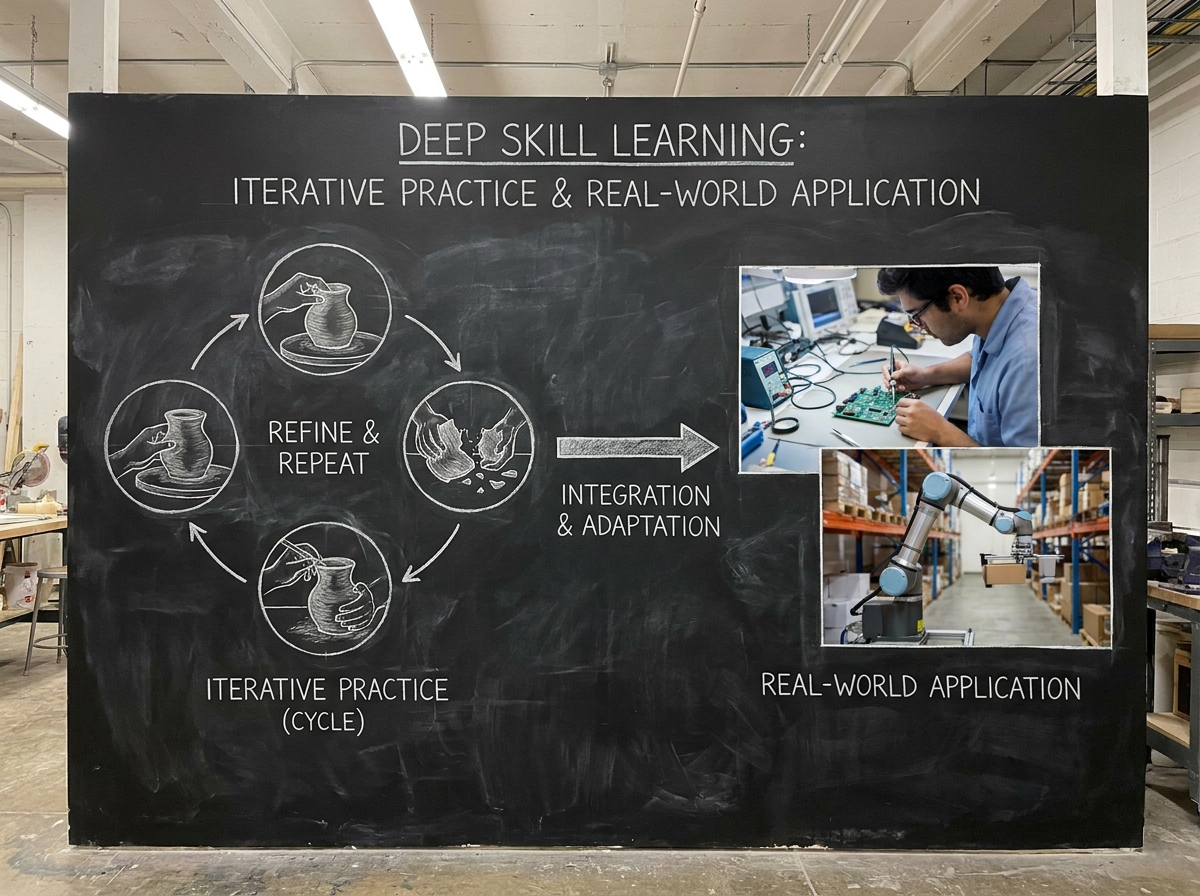


Leave a Reply