


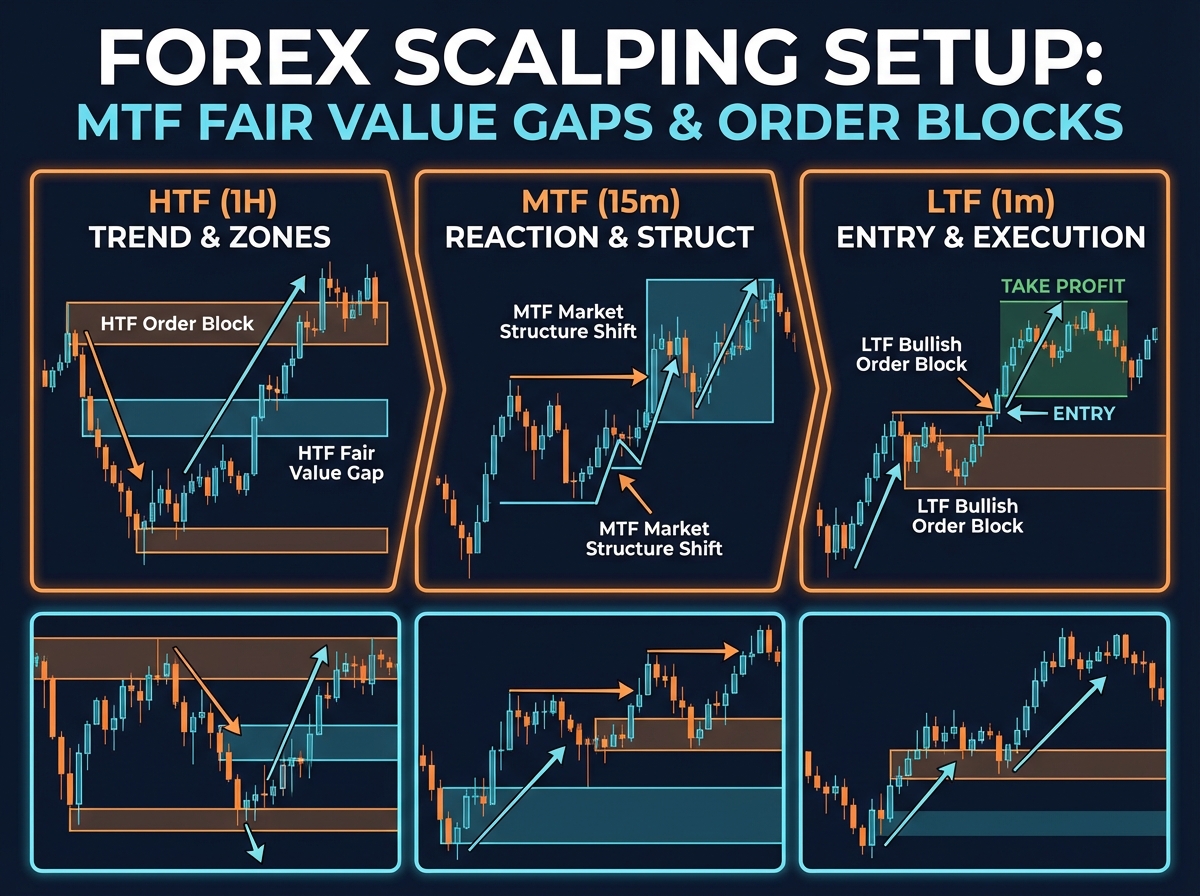
I remember the first morning I tried to scalp the forex market — coffee half-finished, charts glowing in the dark, and my pulse racing as the price whipped up and down. Back then, I thought speed alone was the edge. I was wrong. Scalping only started to make sense once I learned how to read liquidity, order blocks, and fair value gaps like a language.
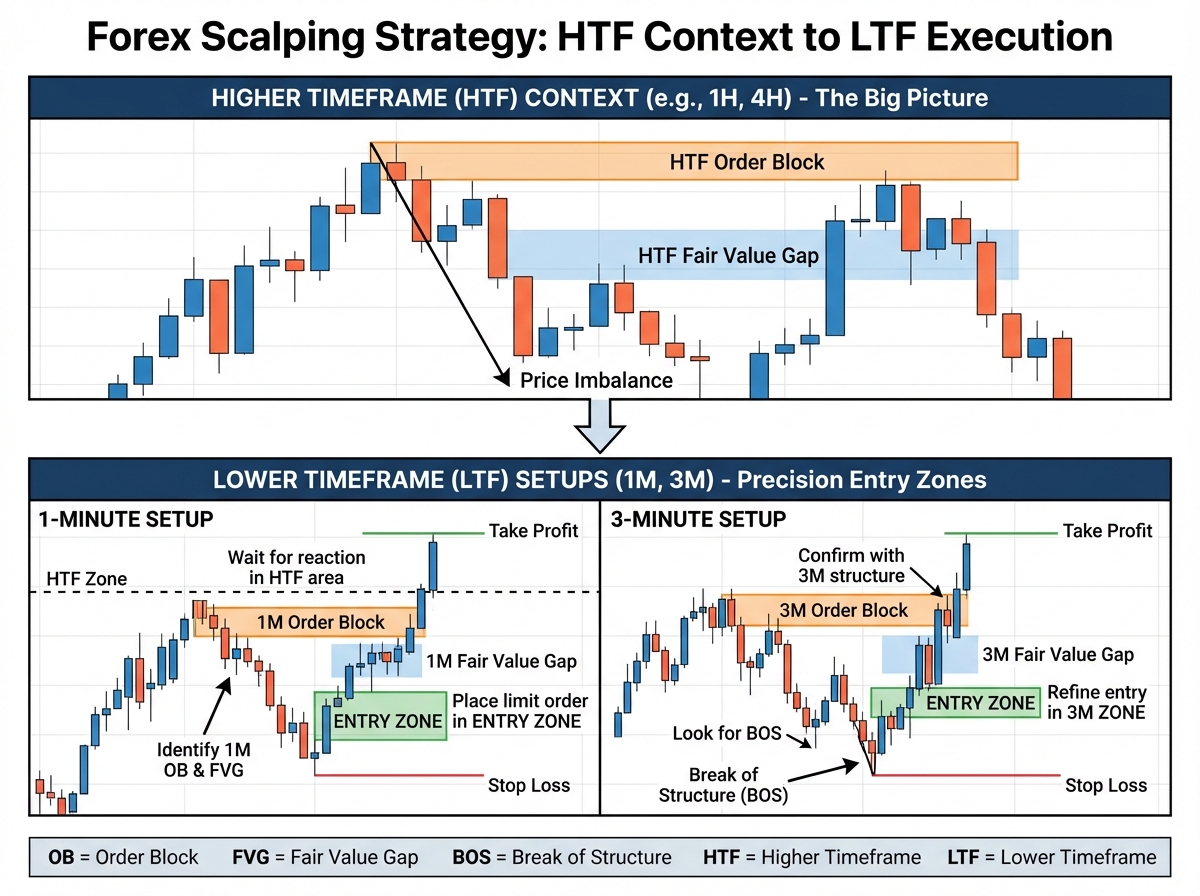
If you’re looking to learn forex scalping, understand that it’s not about trading every movement; it’s about finding precision moments within structured time windows. Forex scalping uses micro setups derived from higher timeframe reference points — typically fair value gaps and order blocks — to capture 10–15 pips per trade consistently.
Scalping works only when you stop chasing every tick. Liquidity zones matter more than indicators. You win by planning, not reacting.
What Forex Scalping Really Means
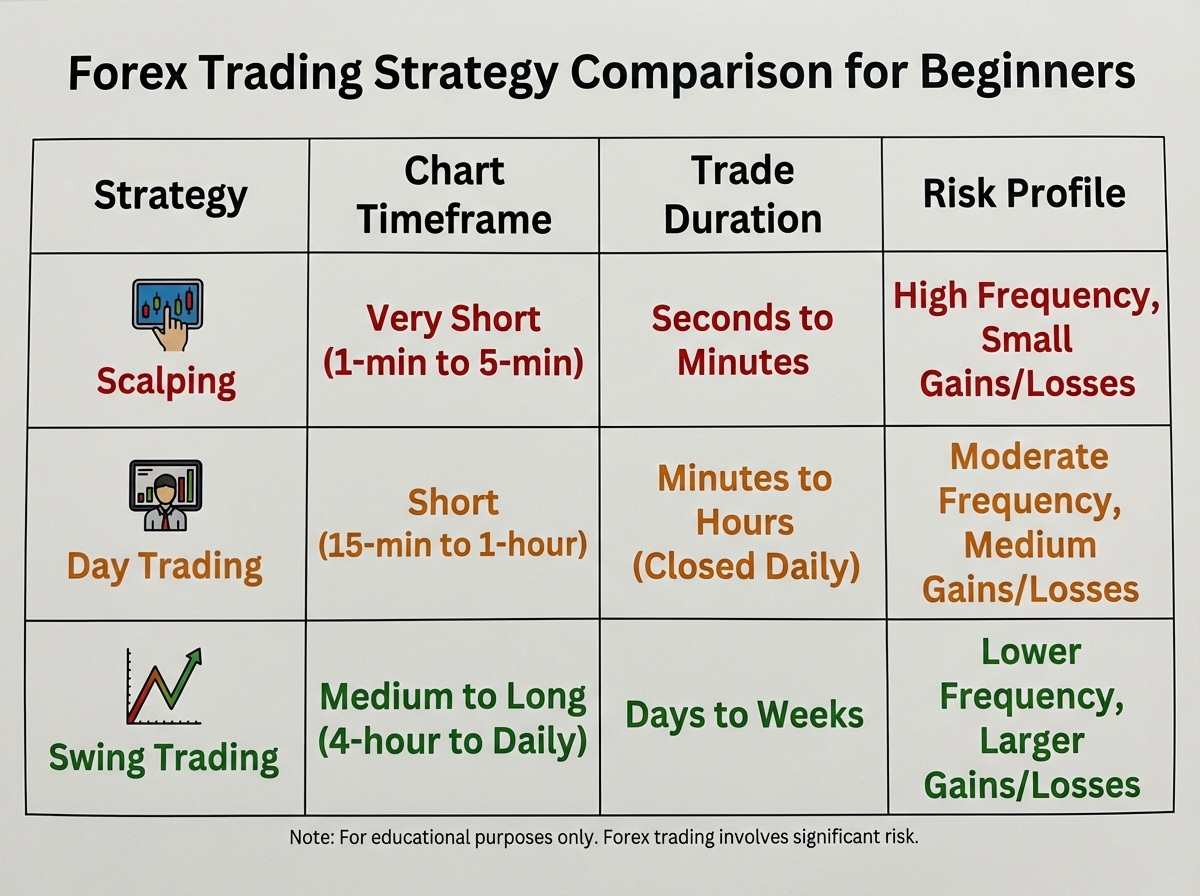
Forex scalping means entering and exiting trades within minutes, usually using 1- or 3-minute charts. The key is context: setups form based on higher timeframe direction filtered down to microstructure entries. Scalpers don’t predict; they respond to predefined liquidity and timing setups. It’s not gambling with momentum — it’s executing structure quickly.
Sharp insights
- The best scalpers watch time more than price.
- Order blocks reveal trapped liquidity, not trend.
- Fair value gaps reset price structure, not just fill quickly.
How Long It Takes to Learn Forex Scalping
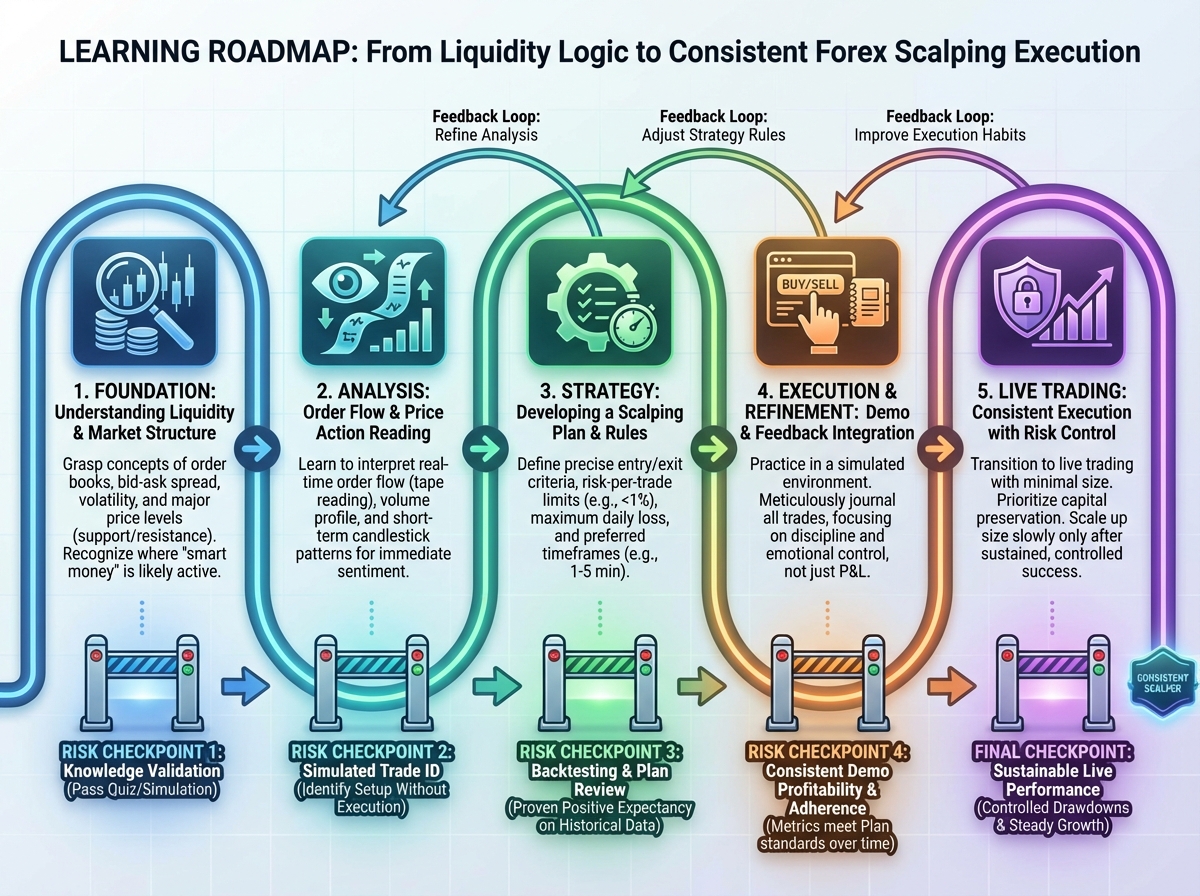
| Stage | Content | Time |
|---|---|---|
| Foundation | Understanding price action, liquidity, and market structure | 2 weeks |
| Chart Setup | Configuring TradingView layouts and higher timeframe mapping | 1 week |
| Execution Practice | 1-min and 3-min live simulation sessions | 4 weeks |
| Strategy Refinement | Timing and risk adjustments with live data | 3 weeks |
| Consistency Phase | Journaling and trade review cycles | 2 weeks |
| Total | 12 weeks |
Mastering the order of stages matters far more than speed. Even seasoned traders take longer when learning to trust their entries.
When the Clock Becomes Your Edge
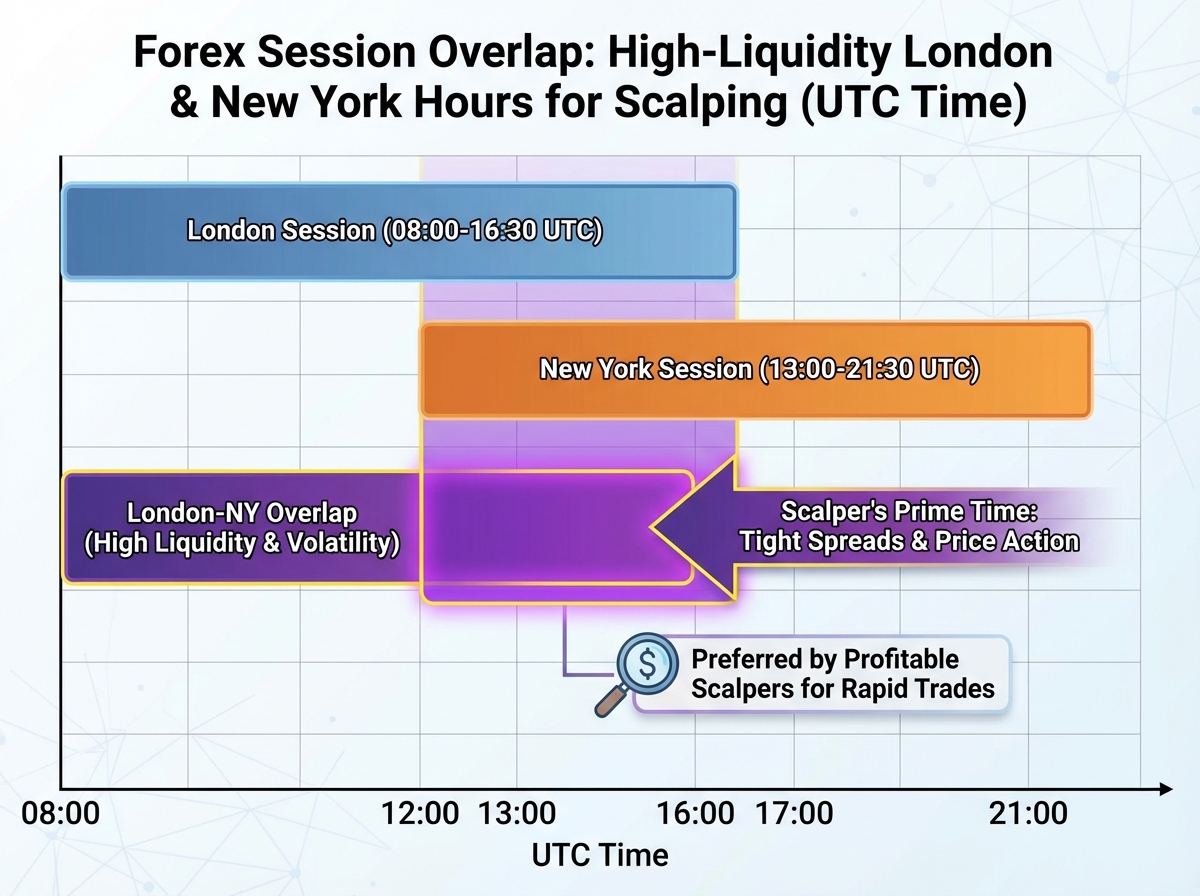
I used to think the market didn’t care what time I traded. It does. Scalping thrives at specific hours when liquidity concentrates — typically early London or New York sessions. Once I aligned my sessions with these rhythms, everything changed. My win rate stabilized simply because I stopped trading noise.
Reading Fair Value Gaps Without Overthinking
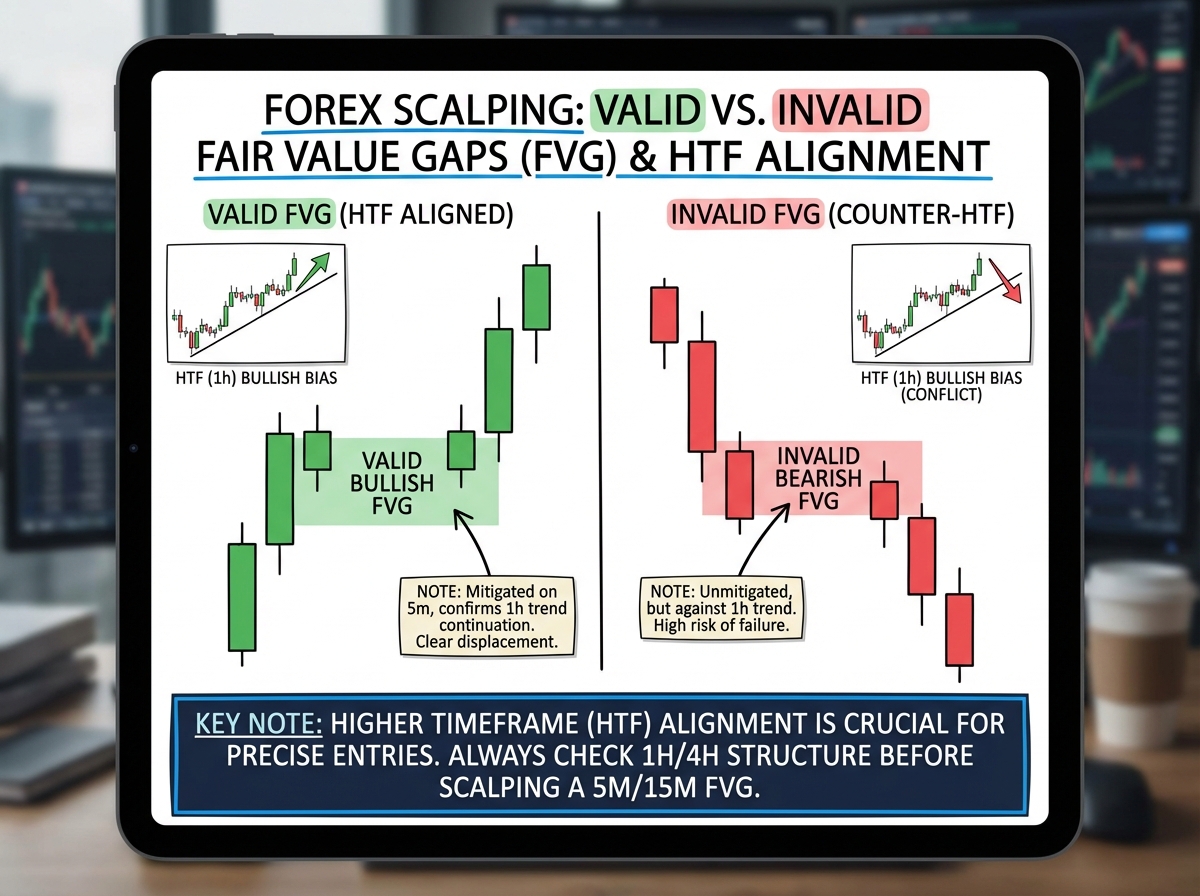
The biggest mistake people make when learning forex scalping is trying to mark every fair value gap. I did that too — my chart looked like shattered glass. The realization came when I filtered by higher timeframe context first — that one insight turned chaos into clarity. The right gaps are where price left imbalance before reversing direction sharply.
The Order Block Shift
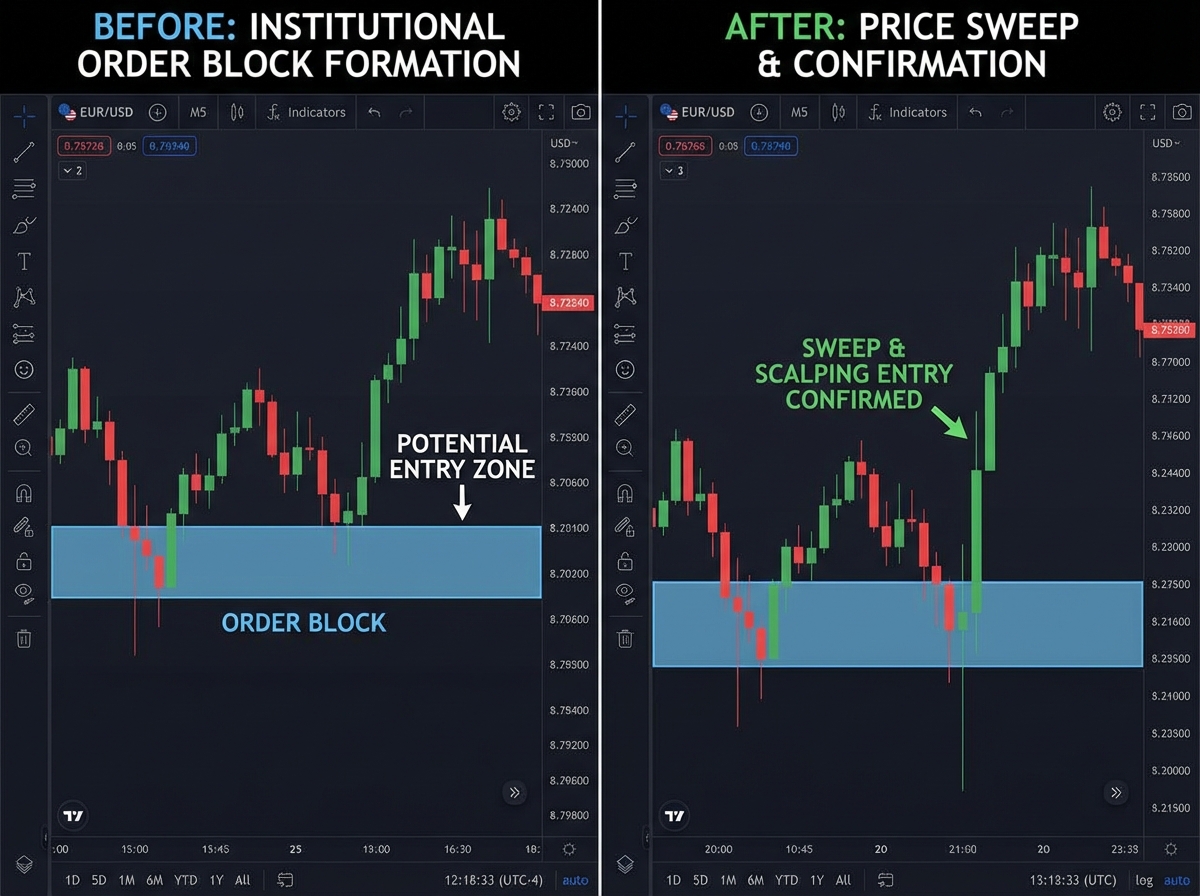
My turning point was understanding order blocks — where large institutions commit. I stopped seeing them as fancy rectangles and started tracking what price did after leaving them. Real power came from waiting for the liquidity sweep before entering — patience paid more than prediction. From then on, setups felt less random and more mechanical.
Liquidity Isn’t a Line, It’s Behavior
I used to draw liquidity levels as if the market respected my lines. Liquidity is behavior: it’s how price reacts around previous highs, lows, and imbalance zones. Once I started watching reactions instead of levels, the market began to ‘speak’ back. That’s when holding a trade for 10 pips felt easier than holding my breath.
Building a Routine You Can Repeat
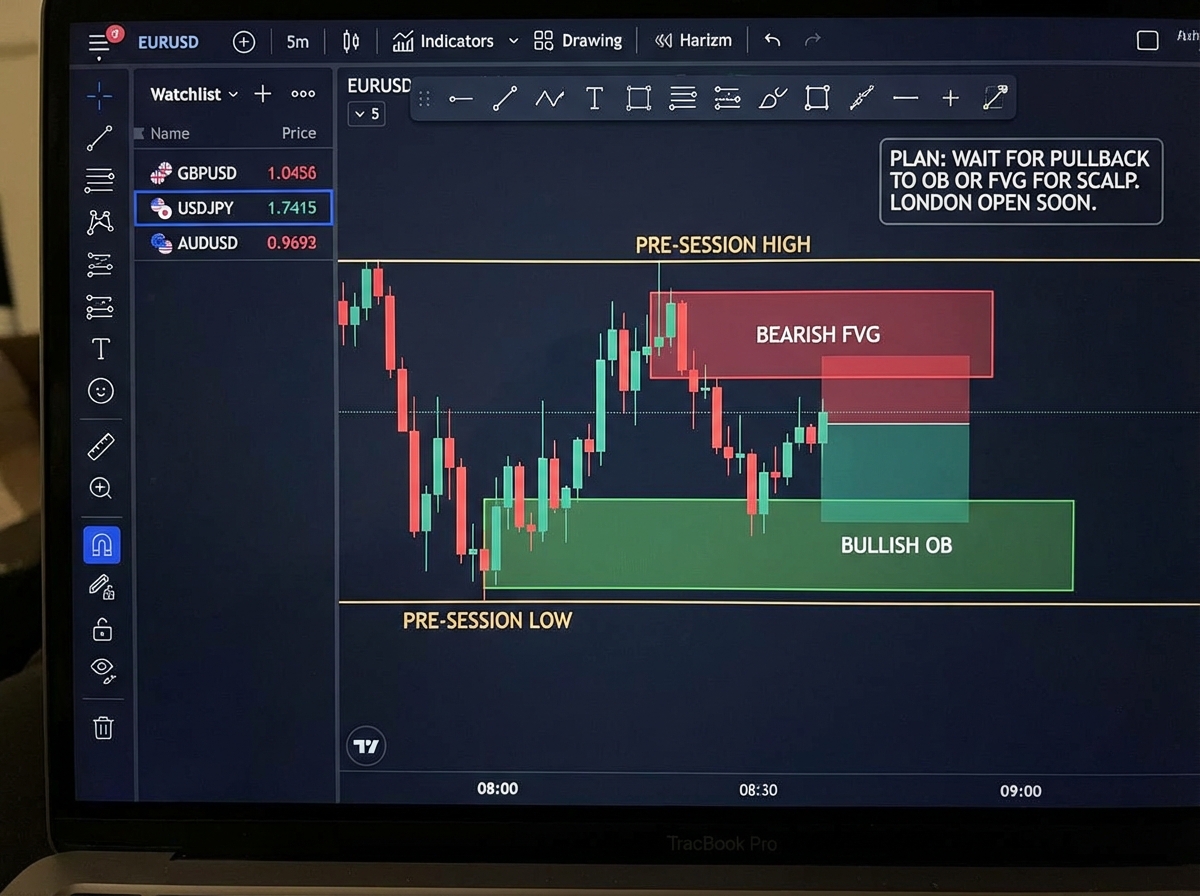
Scalping only clicks when routine replaces randomness. Pre-market mapping, waiting for your chosen session window, and documenting every trade — that’s what makes progress visible. I built a structure: one setup type, same hours, fixed risk. Freedom, ironically, came from discipline.
Related read: How to Learn Swing Trading: Strategy, Structure, and Real Execution
Risk Isn’t Just Numbers
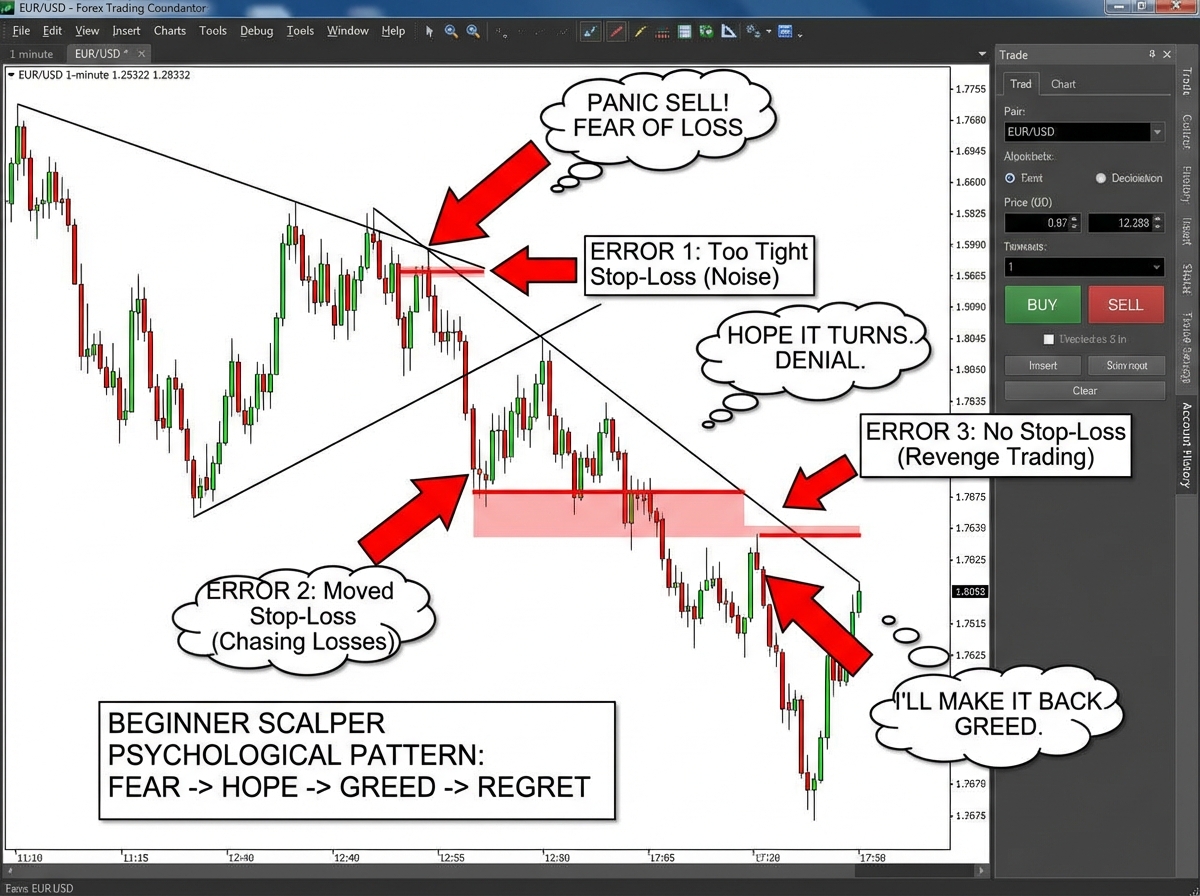
Every scalper learns this: you can’t scalp scared. I learned to size positions so that losing three trades didn’t shake my decision-making. Risk management isn’t spreadsheets — it’s emotional equilibrium under pressure. When I detached from the outcome, entries improved automatically.
What Actually Matters After Months of Trading
Months later, I realized scalping wasn’t about speed or indicators — it was about patience disguised as speed. The timeframes are short, but the process is long. Waiting for your conditions, trading at precise times, and logging honestly — that’s the real edge.
Closing
Looking back, I wish I’d known that scalping isn’t about excitement — it’s about control. These are the habits that changed my trading life:
- Define your time window. Trade only when liquidity peaks; avoid dead hours.
- Map higher timeframe first. It prevents random entries and messy analysis.
- Wait for liquidity sweep. The first move usually fakes; the second pays.
- Trade one playbook setup. Specialization eliminates hesitation.
- Journal screenshots, not notes. Visual context is what builds your pattern memory.
- Cap daily losses. Protecting mental capital keeps strategy confidence alive.
- Review weekly, not daily. One sample means noise; twenty means signal.
- Respect stop-losses like seatbelts. They’re uncomfortable until they save you.
Leave a Reply