


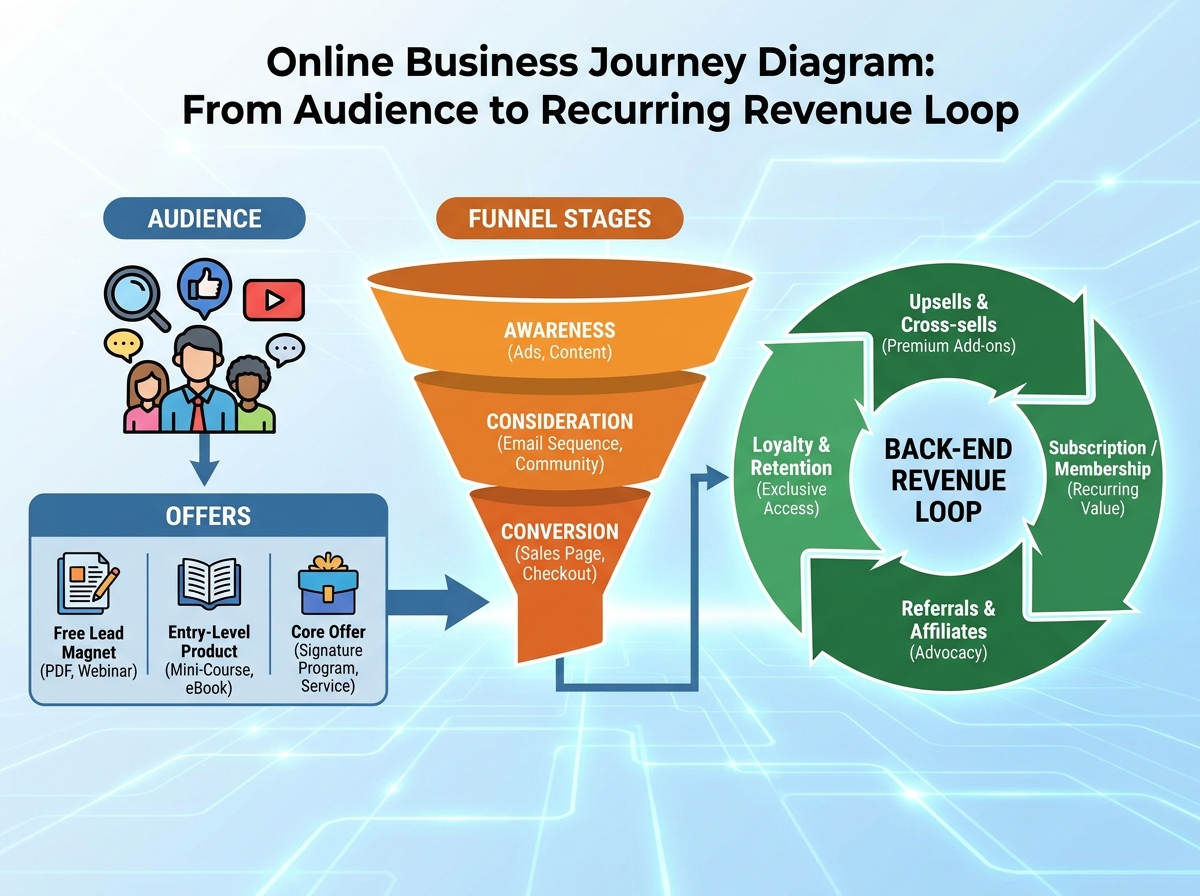
Opening with a moment of confusion, I didn’t know where to start when the idea of building an online business first hit me. I had a few scattered tactics, a feed of promise-filled courses, and a stubborn belief that success would arrive if I just worked harder. What clicked wasn’t a flashy hack but a lived understanding of how to think like an entrepreneur and align every move with real customer needs. This is my story of turning hesitation into a repeatable system that actually sells. This piece isn’t a course review or a tutorial; it’s a real person’s journey through the stubborn friction, the small breakthroughs, and the decisions that mattered most on the way to sustainable growth.
Opening into a real moment or feeling, I remember the first time I mapped out a sales funnel on a napkin between tasks. I didn’t have an elaborate blueprint, but I did have a stubborn question: where does my customer genuinely want help, and what value can I package inside a funnel that works without me being there every hour?
Direct Answer: If you’re looking to learn online business, this narrative will help you see how mindset, structured offers, and a simple funnel can turn a vague dream into a real, repeatable system that earns money over time.
What follows is not a list of tactics but a lived progression: from the moment I realized I needed an entrepreneurial stance, through building a website structure that actually converts, to creating content and campaigns that sustain momentum. You’ll read about real missteps (the biggest one being chasing perfection before validating demand), concrete pivots, and the exact moments where belief shifted into action.
Micro-Scan:
- Start with an entrepreneurial mindset; the product isn’t enough without a compelling offer and clear audience.
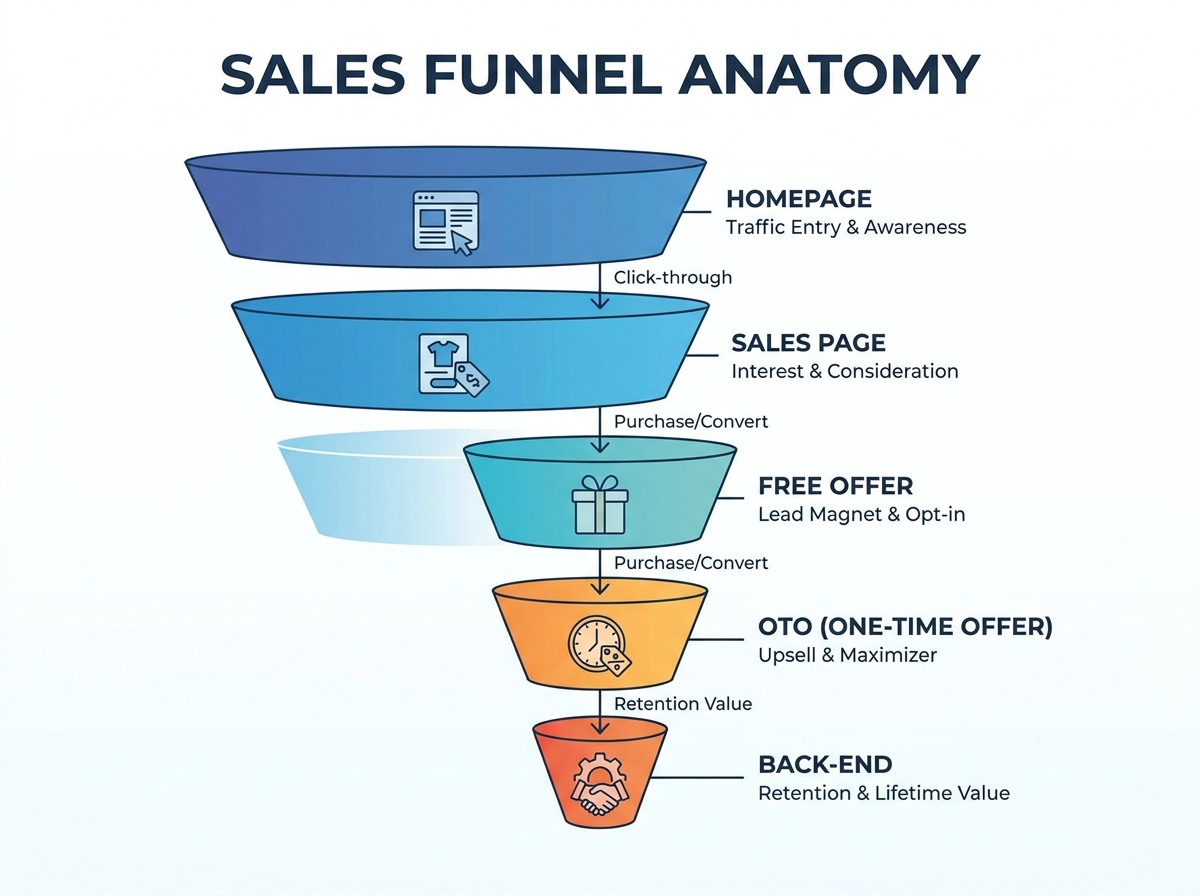
- Build a simple, repeatable funnel that aligns with your marketing strategy and website structure.
- Focus on long-term profit through memberships, optimized opt-in forms, and consistent content that sells.
Definition: What online business means in practice An online business is a customer-focused system that uses a website, offers, and marketing to attract, convert, and retain buyers. It’s not a single tactic but a repeatable model—define a market, create a compelling product or content stack, drive traffic, convert with clear promises, and sustain with a back-end approach like memberships or ongoing services.
Sharp Insights:
- The best funnel is often the simplest one that mirrors a real customer journey.
- Your first offer teaches you more than your first product.
- Long-term revenue comes from back-end value, not one-off sales.
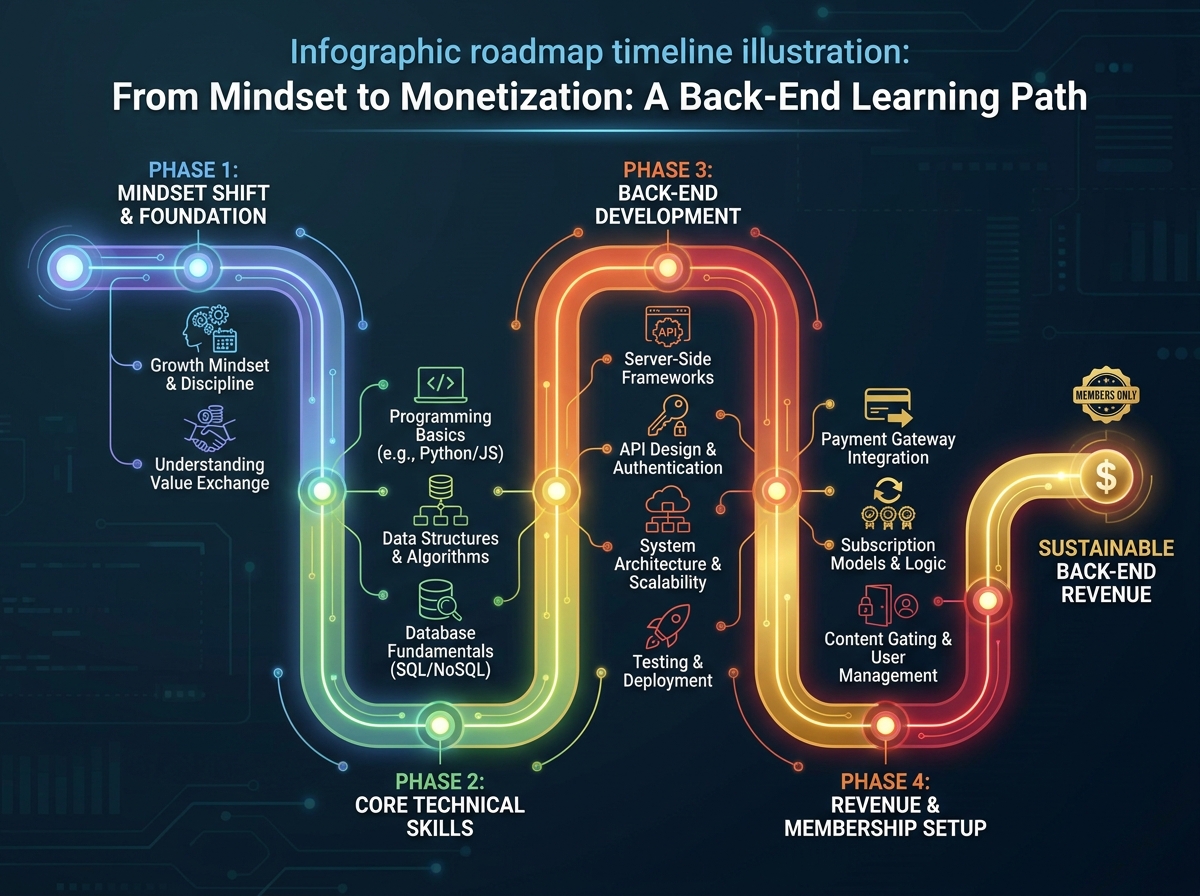
| Timeline | Stage | Content | Time |
|---|---|---|---|
| Initial mindset shift | Reframe entrepreneurship as solving real problems, not chasing hype | 1–2 weeks | |
| Website and funnel alignment | Map homepage, sales pages, and opt-ins to a coherent flow | 2–4 weeks | |
| Content and traffic | Create videos, posts, and emails aligned to audience needs | 4–8 weeks | |
| Back-end and retention | Introduce memberships or ongoing offers to sustain revenue | 4–12 weeks | |
| Total | Building a repeatable system for growth | 11–26 weeks |
Order matters more than speed. It’s normal to run slower than the pace you imagined; the system you build only matures with consistent, correct steps.
Main Journey
Finding the starting point wasn’t about a perfect plan but about a real need I could feel in the room when I spoke to potential customers. I realized the biggest mistake many beginners make is assuming a flawless product will sell on its own; the turning point came when I tested a simple value proposition and saw real engagement from a targeted audience. From there, I began to see how each section of the journey—website structure, offers, and email workflows—needed to be built in concert with the customer’s path to purchase. I learned to stop overthinking and start shipping, refining what actually moved the needle rather than what sounds impressive in theory.
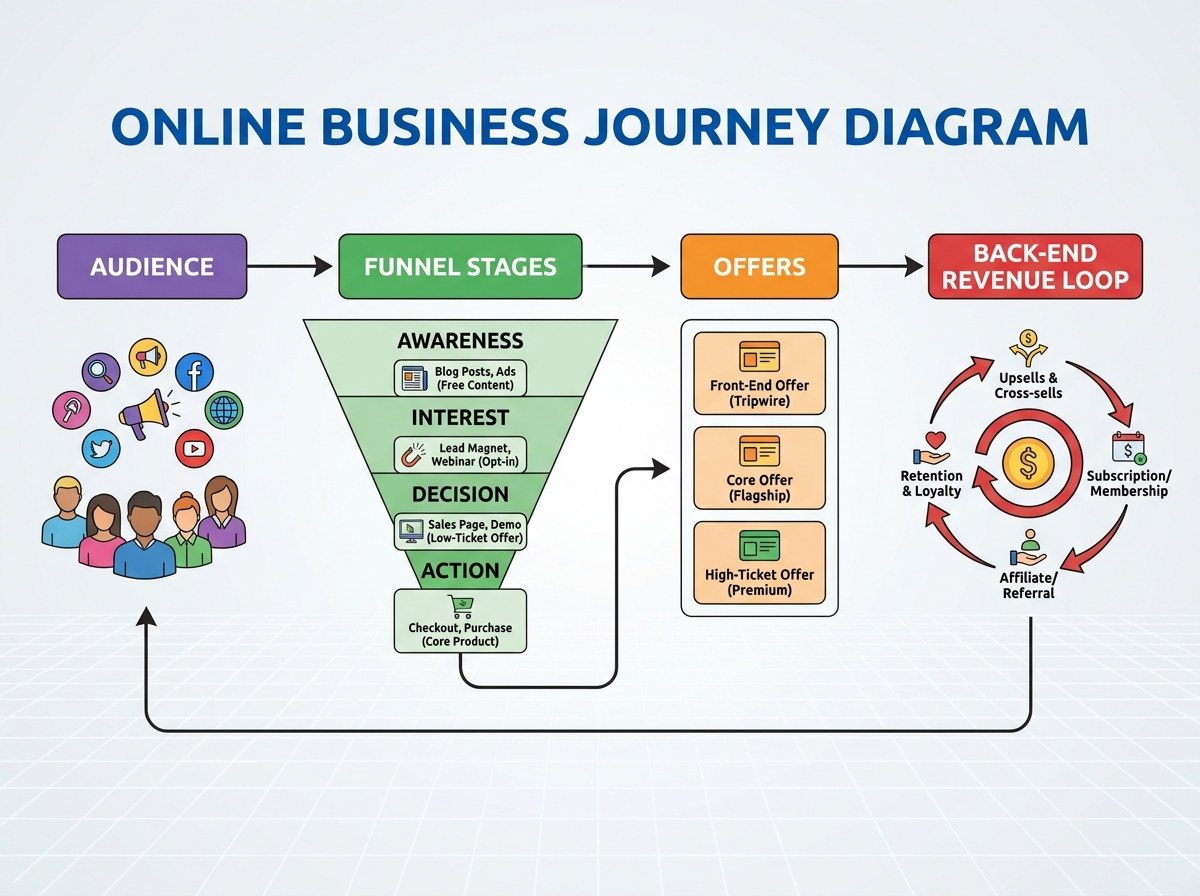
The Website Structure and Sales Funnel became the backbone. I experimented with a clear homepage that explained a single benefit, a persuasive sales page, and a tempting but ethical free offer. My lessons here weren’t about clever copy alone but about ensuring every element nudged the reader toward the next step. When I finally connected a strong opt-in with a relevant follow-up sequence, I saw opt-ins rise and initial sales follow naturally. The biggest moment was realizing that the funnel’s “one-time offer” needed to feel like a natural extension of the customer’s earlier decision, not a hard sell.
Marketing and Videos followed as the fuel. I shifted from generic tutorials to marketing videos that tell a story—not just explain features. I learned to design a video funnel that matches the stage of awareness the customer is in, and to keep each video concise yet powerful. The copywriting blueprint revealed itself as the art of saying enough to spark curiosity and enough clarity to close without pressure. A single well-timed video could carry more weight than a dozen generic posts.
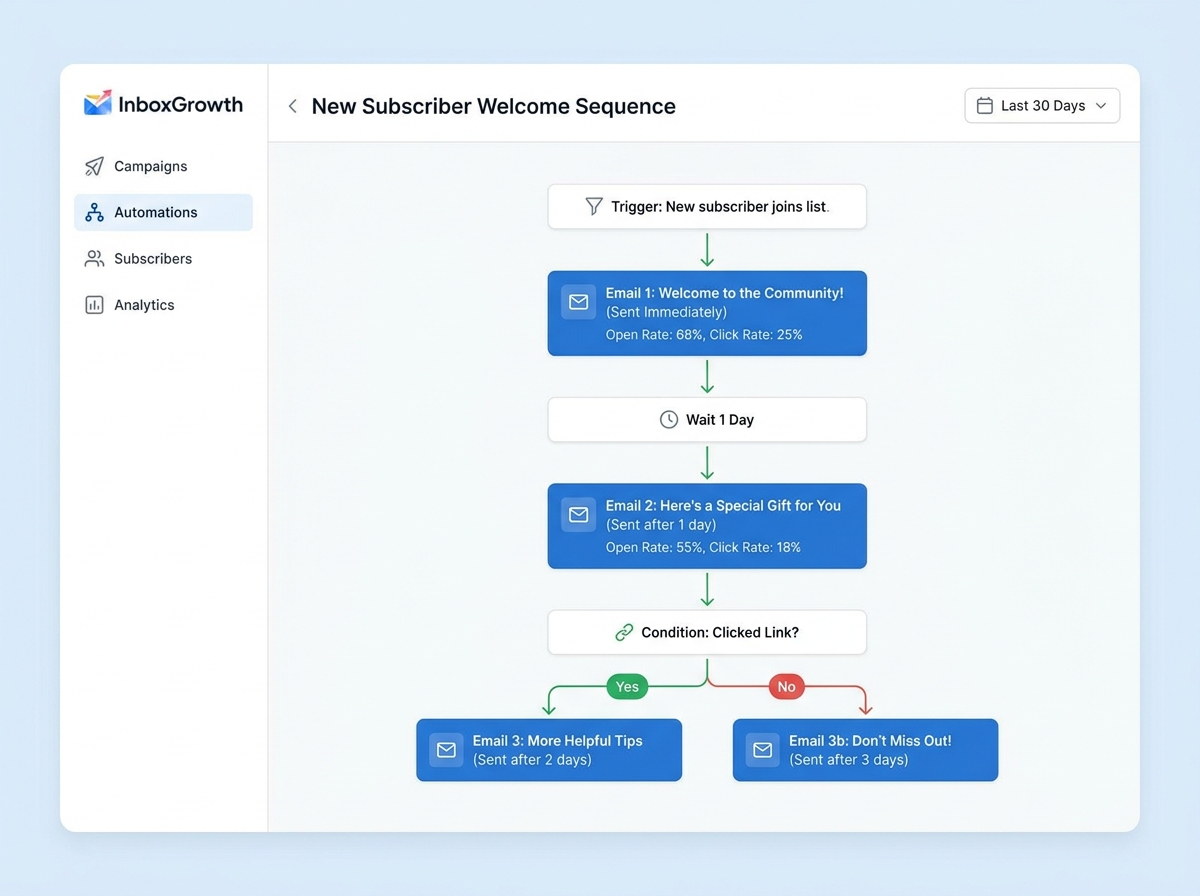
Email Marketing became the quiet profitability engine. I mapped simple campaigns that welcomed new subscribers, delivered value, and introduced the front-end offer with a clear back-end path. Autoresponders aren’t magic; they’re a rhythm of reminders that respect the customer’s pace while guiding them toward action. The moment I treated emails as a conversation rather than a broadcast transformed engagement into revenue.
Choose Your Business and Create Content to Sell then came together as a practical toolkit. I learned to identify a market with real demand, validate it with surveys or small tests, and then create content that directly sells a solution. The biggest breakthrough here was recognizing that content isn’t separate from selling; it’s how you demonstrate value and build trust over time.
Closing I’ve learned that building an online business isn’t about chasing a magic formula; it’s about aligning a mindset with a repeatable structure that serves real people. The journey isn’t glamorous, but when you see a steady stream of leads, conversions, and membership revenue, the work finally feels meaningful. If you’re ready to start, here are concrete steps you can apply right away:
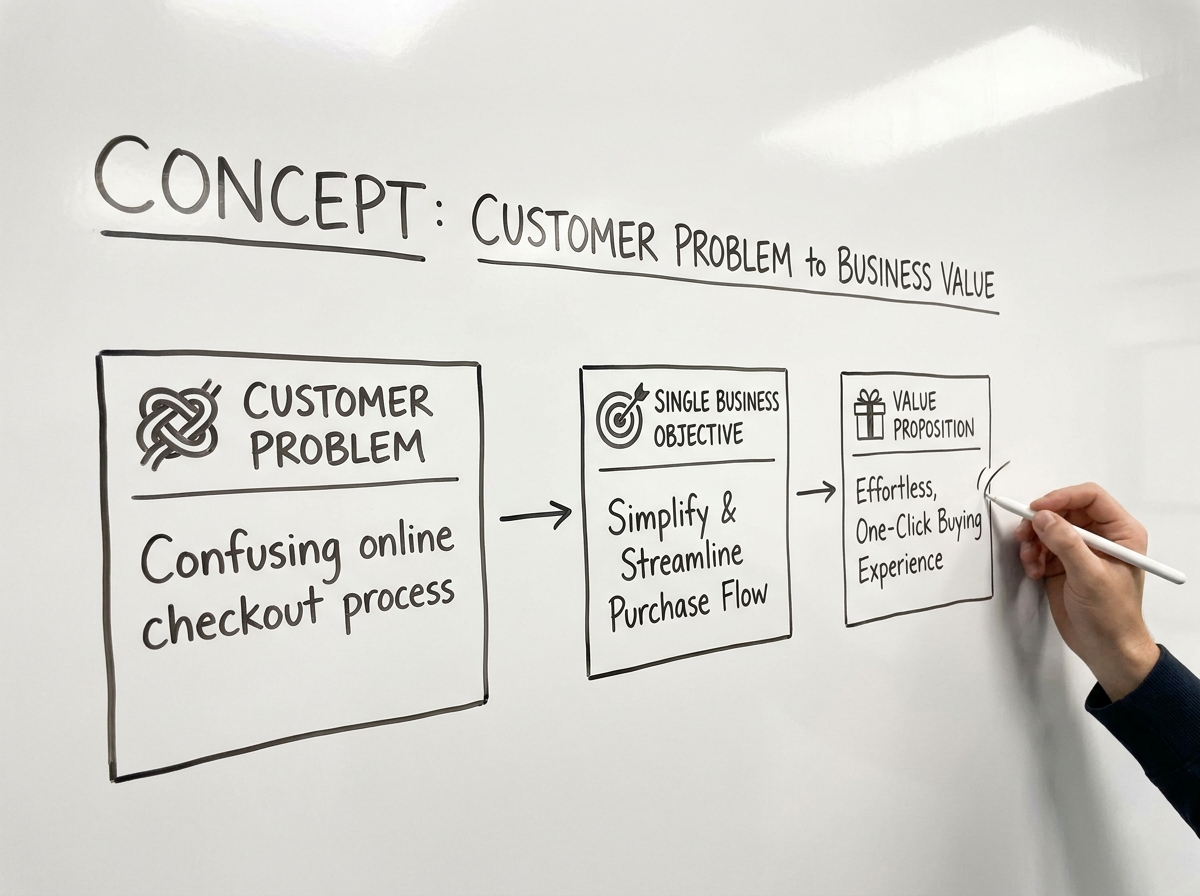
- Define a single customer problem you will solve today and craft a simple offer that resolves it.
- Map your homepage to a single value proposition and a clear next step for visitors.
- Create an opt-in that offers immediate, tangible value and a follow-up sequence that builds trust.
- Produce one high-quality marketing video that explains the core benefit in under 90 seconds.
- Write an email welcome sequence that delivers real value before pitching.
- Launch a low-friction back-end offer (membership or ongoing service) to capture recurring revenue.
- Run small tests weekly to validate whether each element moves the customer toward the next action.
- Review results monthly and prune anything that doesn’t contribute to the core journey.

Internal links
- How to Become a Fashion Agent: Build Your Client Base and Get Paid
- How to learn forex day trading effectively and safely
- How to Learn Tai Chi to Become a Real Instructor (for Beginners)
Leave a Reply