


The first client call I ever took as an ISO consultant, I had no office, no letterhead, and my “documentation toolkit” was three Word templates I’d spent a weekend building from scratch. The client needed ISO 9001 certification to qualify for a government procurement contract. They needed it in four months. They hired me anyway.
If you’re looking to learn ISO consulting, the honest answer is that the technical knowledge is the easier half of the problem. What trips most people up isn’t understanding the standards — it’s not knowing how to package the work, price it, and walk into a room with a client and be taken seriously before you’ve done it ten times. This article is about both halves. The standards side and the business side, and the order in which you need to tackle them.
- ISO consulting works as a side hustle or full-time business because the demand is structural — companies need certification to win contracts, not because they want to.
- You don’t need years of corporate compliance experience to start; you need a working understanding of two or three standards, a reliable delivery process, and the ability to hold a professional conversation.
- The income ceiling is real: experienced consultants charge project fees between $3,000 and $20,000 per engagement, plus retainers for ongoing maintenance.
What ISO Consulting Actually Is (And Isn’t)
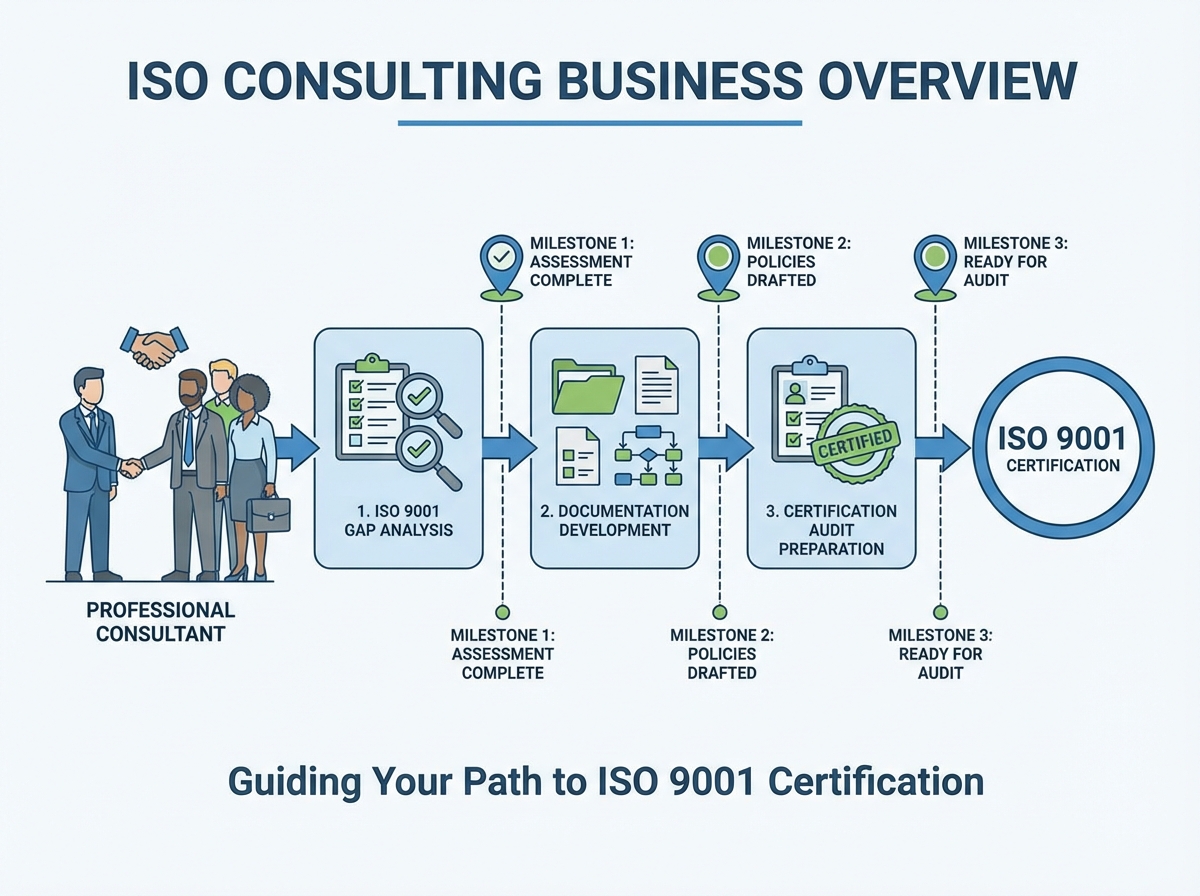
ISO consulting means helping organizations implement management system standards — think ISO 9001 for quality, ISO 14001 for environmental management, ISO 45001 for occupational health and safety, ISO 22000 for food safety, and ISO 27001 for information security. A consultant guides a company through the gap analysis, builds or improves the documentation, trains staff, runs internal audits, and prepares the organization for its certification audit with an accredited body.
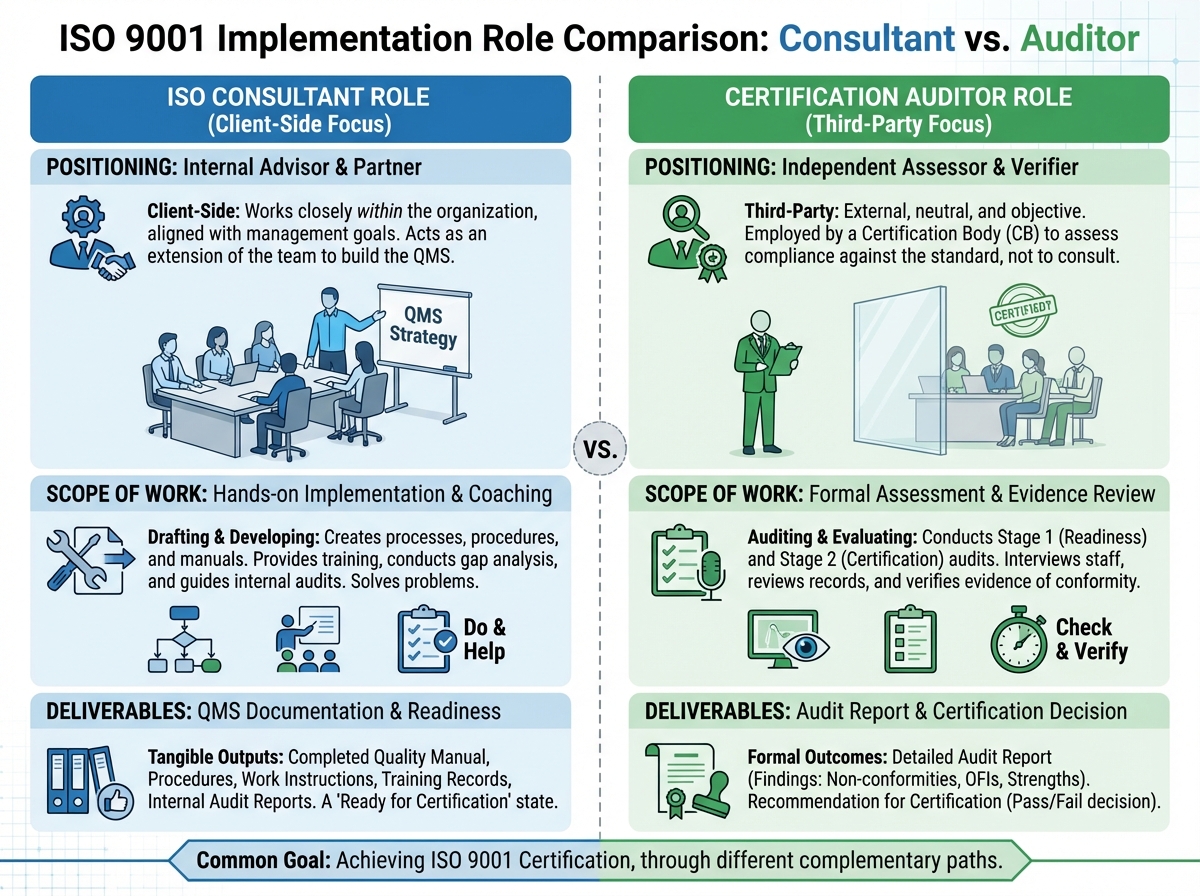
What it isn’t: it isn’t auditing for a certification body. Those are third-party auditors employed by accreditation organizations. ISO consultants work on the client side — they help companies become ready for audit, not conduct the audit itself. That distinction matters because it means the skill set is different. You need to understand the standard deeply enough to interpret it into a specific company’s operations — not apply it in a generic, textbook way.
| Role | Who They Work For | Core Responsibility |
|---|---|---|
| ISO Consultant | The client company | Gap analysis, documentation, audit prep |
| Internal Auditor | The client company | Verify implementation compliance |
| Certification Auditor | Accreditation body (e.g., Bureau Veritas, TÜV) | Issue or deny the certificate |
| Lead Implementer | Project lead inside the company | Coordinate the implementation internally |
Three Things Nobody Tells You When You’re Starting Out
- Most companies hiring an ISO consultant have never worked with one before — your process IS the product.
- Knowing one standard deeply earns more trust than knowing five standards superficially.
- The gap analysis is what separates a consultant from someone reading the standard out loud.
The Learning Curve Nobody Draws for You
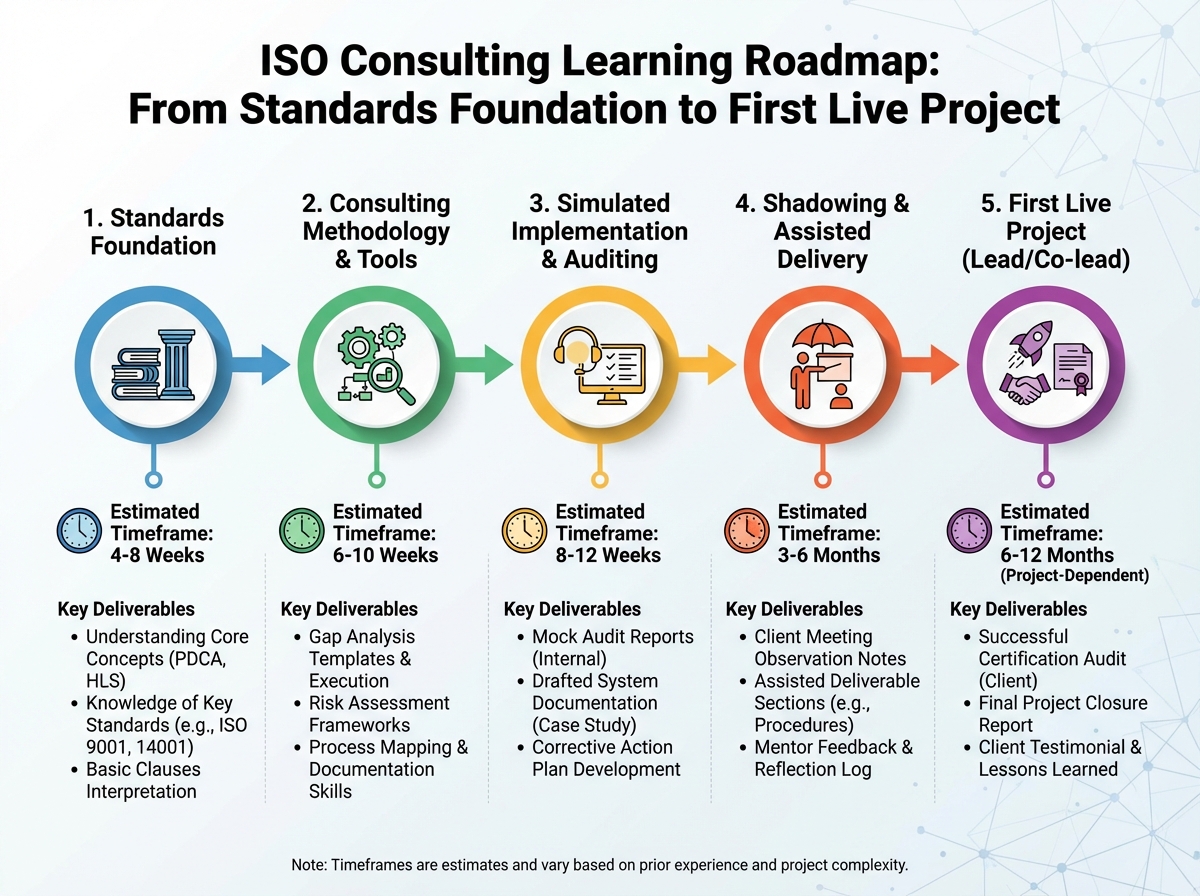
| Stage | What You’re Building | Estimated Time |
|---|---|---|
| Standards foundation | Understanding ISO 9001 + one secondary standard | 2–4 weeks |
| Delivery methodology | Gap analysis, documentation, audit prep process | 3–6 weeks |
| Business setup | Branding, pricing, service packages | 1–2 weeks |
| First client acquisition | Outreach, proposals, closing | 4–8 weeks |
| First live project | Full implementation from gap to certification audit | 8–16 weeks |
| Total to first paid engagement | 3–6 months |
The order matters more than the speed — trying to land a client before you have a delivery process produces proposals you can’t honor. Most people who struggle with ISO consulting started the outreach before they finished building the methodology.
If you’re moving slower than this table suggests, that’s normal. Building a reliable gap analysis template alone can take two weeks of iteration before it feels like a professional tool rather than a checklist you invented on the spot.
Understanding the Standards Before You Sell Them
The first mistake almost every new ISO consultant makes is trying to memorize the standard clause by clause, in order, like studying for an exam. That approach makes you slow and stiff in front of clients. What actually works is learning the standard by working through a real implementation scenario — even a fictional one — so you understand what each clause demands in practice.
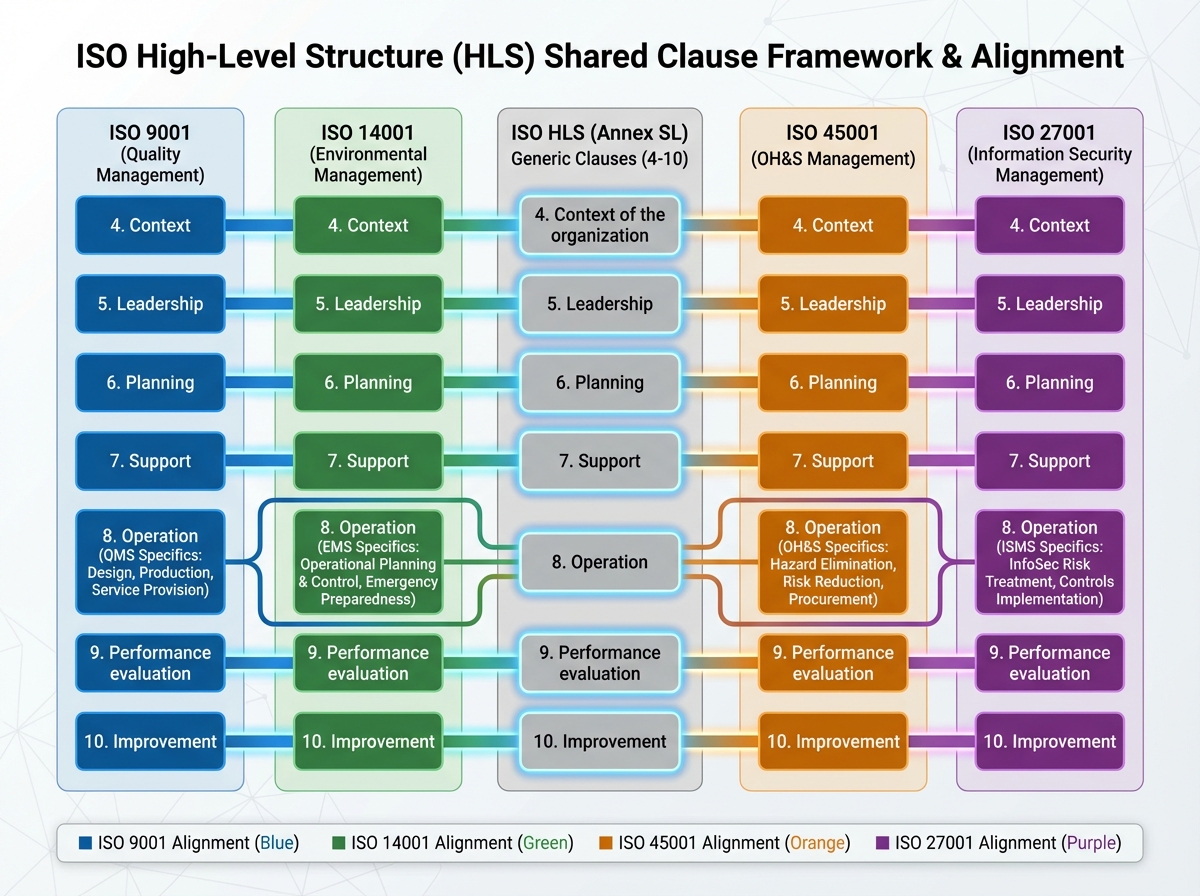
ISO 9001 is the right starting point. It covers quality management and it’s the most universally required standard across industries. Once you understand its structure — context of the organization, leadership, planning, support, operation, performance evaluation, improvement — the other standards become much easier to learn because they share the same high-level structure (HLS). ISO 14001, 45001, and 27001 all map onto the same skeleton. Learning ISO 9001 deeply means you’re not starting from zero with the others.
The standards themselves are available for purchase from ISO, but the practical skill comes from learning to apply them to a manufacturing company differently than you’d apply them to a professional services firm. A clause like “determining the context of the organization” sounds abstract until you’ve sat across from a factory operations manager and asked them what external and internal factors affect their quality objectives. That conversation — that moment of translating a clause into a real question — is where the consulting skill actually lives.
The Gap Analysis Is Where You Either Win or Lose Credibility
I remember the exact moment I realized a structured gap analysis was the difference between looking like a consultant and looking like a student with a clipboard. The client’s operations manager had been through two previous failed ISO attempts. He opened the meeting by crossing his arms and saying, “Tell me what you’re going to tell me I’m doing wrong.”
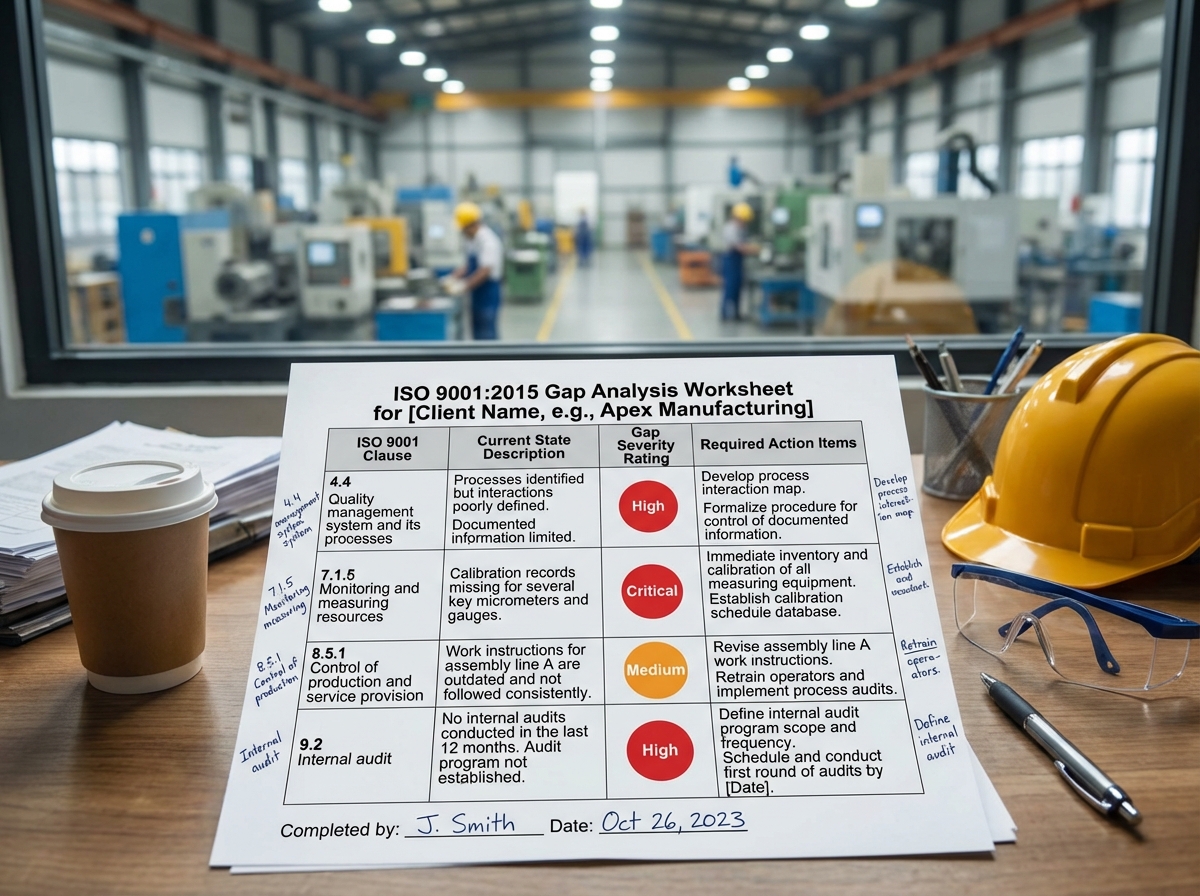
A gap analysis isn’t a compliance checklist — it’s a structured interview process combined with document review that maps where an organization currently sits against what the standard requires. The output is a gap report: a prioritized list of what’s missing, what needs to be created, what needs to be improved, and a rough timeline to close each gap. Done well, it takes two to three days for a small-to-medium organization and it becomes the project plan for everything that follows.
The specific thing that most beginners get wrong here is trying to run the gap analysis while simultaneously trying to explain the standard to the client. Those are two different conversations. The gap analysis is diagnostic — you’re listening, observing, and documenting. The explanation comes later, in the findings report. Keep them separate and you’ll walk out of a gap analysis with a clear picture of what the next three months look like. Merge them and you’ll walk out with a confused client and a half-finished assessment.
For anyone starting their consulting journey, how to build a startup using innovation frameworks that actually work offers useful context on structuring a service business methodology — the same thinking applies when you’re building a repeatable ISO delivery process.
Building the Documentation Without Losing Your Mind
Documentation is where the ISO consulting work becomes genuinely time-intensive. Most standards require a quality manual, documented procedures, work instructions, SOPs, and records — and the scope of what needs to be written depends entirely on the size and complexity of the organization. A fifty-person manufacturing company and a ten-person IT services firm need very different documentation sets, even if they’re both certifying to ISO 9001.
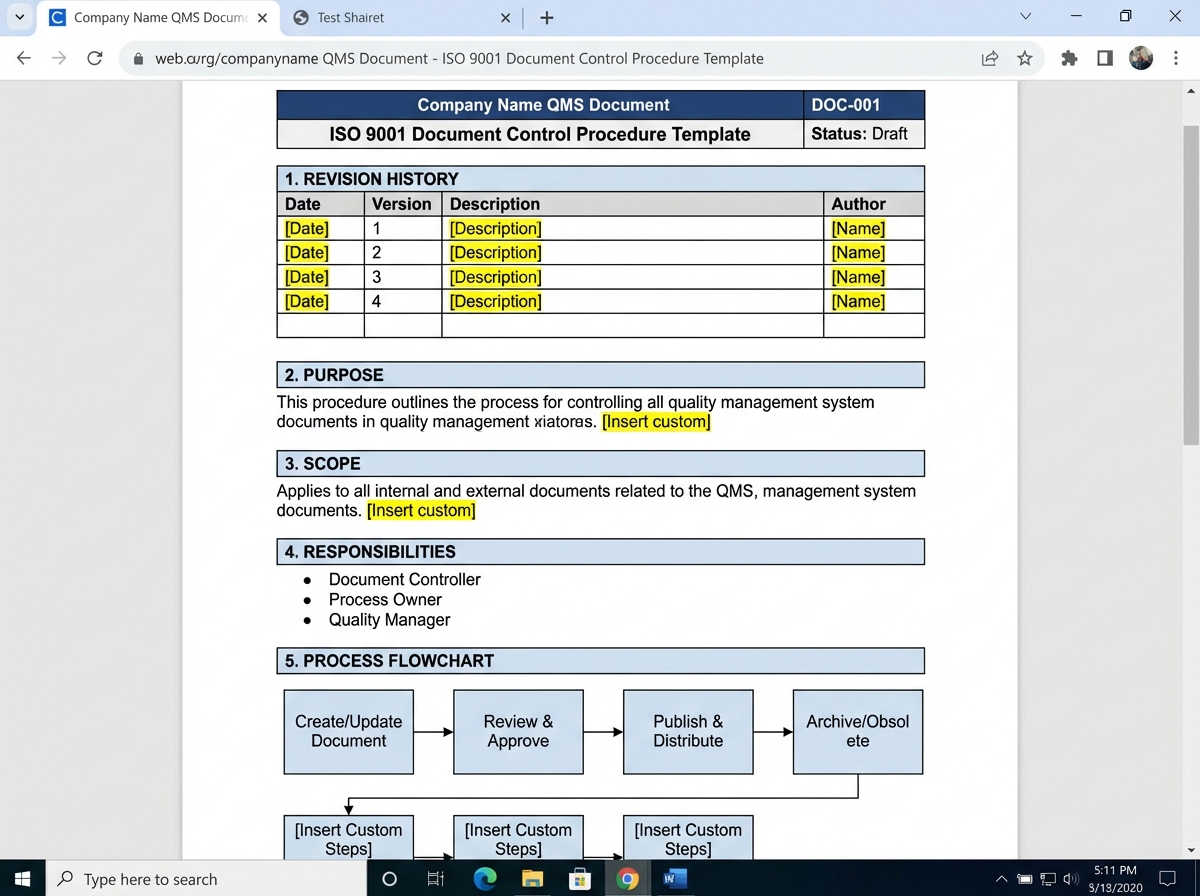
The practical approach is building a master template library that you adapt for each client rather than writing everything from scratch each time. Your templates should have placeholder fields for company name, scope, process owners, and revision history — but the structure, the language, and the format should be yours, refined over multiple projects. The moment you stop writing documents from a blank page and start working from a solid baseline is when your delivery speed doubles and your clients stop asking if you’ve done this before.
One thing that experienced consultants know and beginners discover slowly: the documentation doesn’t have to be voluminous to be compliant. Clients often assume more is better — more procedures, more records, more paper. The standard doesn’t require that. It requires evidence that the system works. Lean, clear, actually-followed documentation is stronger than a thick binder that nobody opens between audits.
Getting Your First ISO Consulting Clients
The single biggest mistake in getting clients as an ISO consultant is going broad too soon. Every industry needs ISO standards, so the temptation is to market to everyone — manufacturing, construction, food, tech, healthcare. That instinct kills clarity. When your LinkedIn profile says you help “organizations across all sectors” achieve ISO certification, you sound like every other consultant. When it says you help mid-size food manufacturers achieve ISO 22000 certification in under six months, you sound like someone with a specific answer to a specific problem.
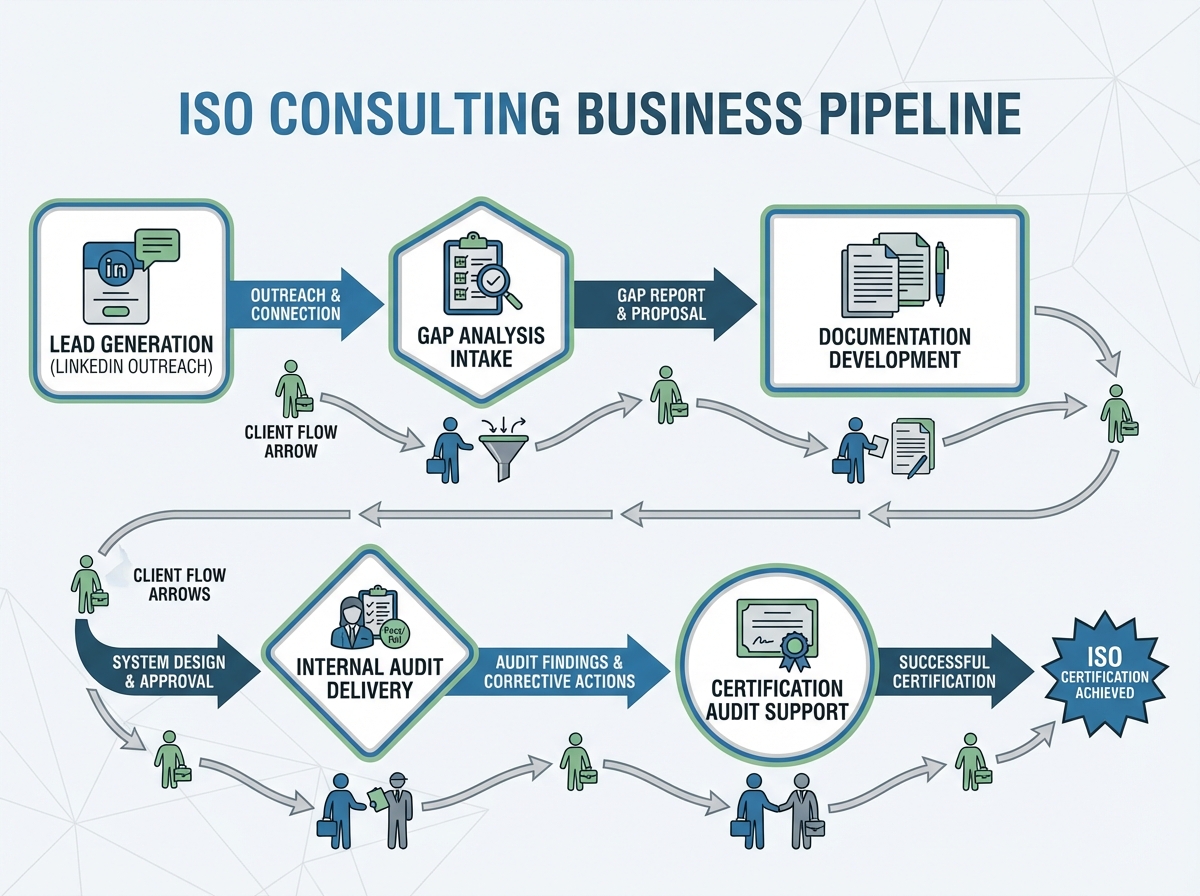
The outreach that actually works at the beginning is direct, personal, and narrow. LinkedIn is the most effective channel because companies actively post about compliance challenges and procurement requirements there. A connection request followed by a simple message — not a pitch, just an observation about something they posted — opens more conversations than any broadcast campaign. WhatsApp works in certain markets where business communication is more direct; email works where decision-makers still manage their own inboxes.
What you’re looking for at the client acquisition stage is one of three triggers: a company that just won a new contract that requires ISO certification, a company that failed a customer audit and needs to get compliant fast, or a company entering a new market where certification is a prerequisite. All three of these situations create urgency. Urgency makes the sale easier. Without urgency, you’re asking a company to invest significant time and money in a project they could theoretically delay indefinitely.
Pricing ISO Consulting Services Without Undervaluing the Work
Pricing is the part that most new consultants get wrong in the direction of too low. There’s a psychological logic to it — you don’t have ten projects under your belt, so you feel like you should charge less than established consultants. The problem is that ISO consulting is priced on the outcome (the certificate), not the consultant’s years of experience. A company spending $40,000 on third-party certification audits will pay a consultant $5,000 to $15,000 for implementation support without hesitation if they believe the project will succeed.
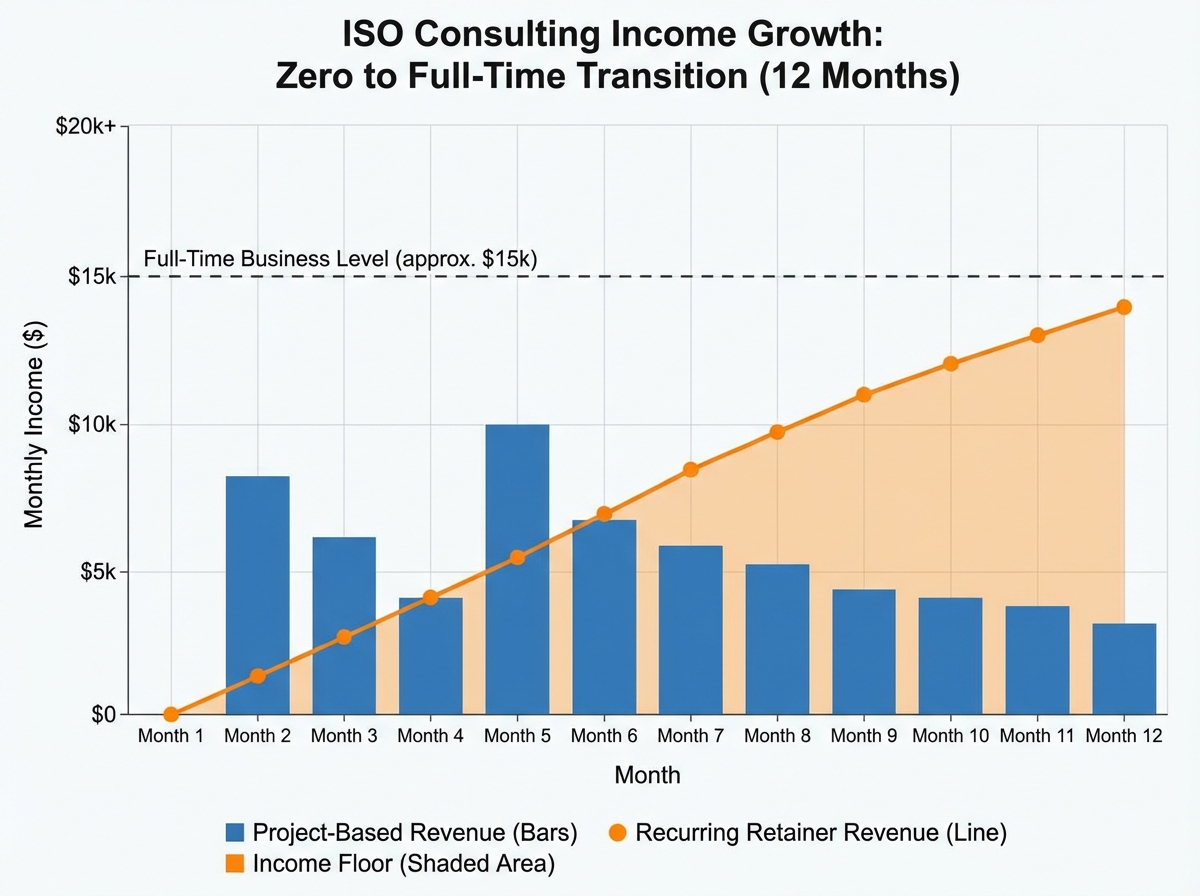
Project-based pricing works for the initial implementation: one flat fee for gap analysis, documentation, internal audit, and certification audit support. Retainer pricing works for post-certification maintenance: a monthly fee to manage document updates, handle nonconformities, and prepare for surveillance audits. The best consulting practices have both. The project fee brings clients in; the retainer keeps them on your books month after month and smooths out the income variability that makes consulting feel unstable in the early years.
Service packages — a basic tier covering gap analysis and documentation only, a standard tier adding internal audit delivery, and a premium tier covering everything through certification — give clients a clear entry point and give you room to upsell. Most clients start at the middle tier and upgrade to premium once they realize how intensive the certification audit preparation actually is.
For reference on how services businesses build tiered offerings that convert, services marketing and consumer behavior frameworks map cleanly to how ISO consulting practices structure and position their packages.
Making the Jump from Side Project to Full-Time Business
The decision to go full-time rarely feels obvious in the moment. There’s no threshold that suddenly makes it safe. What I’ve found — and what the experience of most consultants who’ve made the transition confirms — is that the right indicator isn’t a revenue number. It’s recurring revenue. One large project fee doesn’t give you the confidence to leave a salary. Two or three clients on monthly retainers, generating income whether or not you’re actively working, creates a floor that changes the risk calculation entirely.
The other factor that accelerates the full-time transition is having a replicable delivery process. When you know exactly how you’ll run every project — from intake call through certification audit — you can take on more work without proportionally increasing your time. That replicability is also what makes it possible to eventually bring in subcontractors or associate consultants who can deliver projects using your methodology. That’s the start of an agency rather than a solo practice.
Building monthly recurring income in ISO consulting specifically means positioning for ongoing compliance support, not just implementation. Certification isn’t a one-time event — it requires annual surveillance audits and a re-certification audit every three years. Clients who’ve been through the initial certification with you almost always continue paying for maintenance support, because switching consultants mid-cycle creates continuity risk they’d rather avoid.
What You Can Apply Starting Now
Looking back at every mistake and every breakthrough in building an ISO consulting practice, here are the actions that actually move the needle:
- Start with ISO 9001 exclusively. Master one standard’s clause structure and application before expanding — depth beats breadth in every first client conversation.
- Build your gap analysis template before you talk to any potential client. Walking into an intake call with a structured assessment tool is the fastest way to appear credible before you have a track record.
- Create a three-tier service package with written scope, timeline, and deliverables for each. Clients make faster decisions when the offer is concrete and they can see exactly what they’re buying.
- Use LinkedIn to find companies with certification-driven procurement requirements. Search for procurement managers posting about supplier qualification — that’s a company actively looking for what you offer.
- Price your first two projects at market rate, not beginner rate. The temptation to discount kills your positioning; instead, offer a limited scope to reduce the client’s risk while keeping your day rate intact.
- Document every project as if you’re building a case study. The specific details — industry, headcount, standards scope, timeline, outcome — become your most credible marketing asset and referral trigger.
- Propose a post-certification maintenance retainer in every final project meeting. The moment a client passes their certification audit is the highest-trust moment in the relationship — use it to introduce ongoing support before the momentum fades.
- Build relationships with other consultants who cover standards you don’t. Referrals between consultants working complementary standards (e.g., ISO 9001 and ISO 27001) are one of the highest-converting lead sources once your network matures.
For anyone also thinking about structuring the broader business side of a consulting practice — revenue models, client retention systems, and growth architecture — building a startup using innovation frameworks is worth reading in parallel.
Leave a Reply